 100% CANADIAN OWNED & OPERATED - FAST FREE Shipping
- Get a
100% CANADIAN OWNED & OPERATED - FAST FREE Shipping
- Get a 
Discover the best in Light Therapy & Wellness


Join thousands of happy people in the Kivo Community
We have been passionate about Red Light Therapy for years - we've helped thousands of people from Cancer patients, to athletes recovering from injuries, to people wanting to look and feel younger and more energetic, even to pets and helping with injuries and old age.
Light Therapy is life-changing - discover why red light therapy from Kivo is best.
Browse
Kivo.. the best products to help you achieve the mind, body, and life-changing effects you are looking for


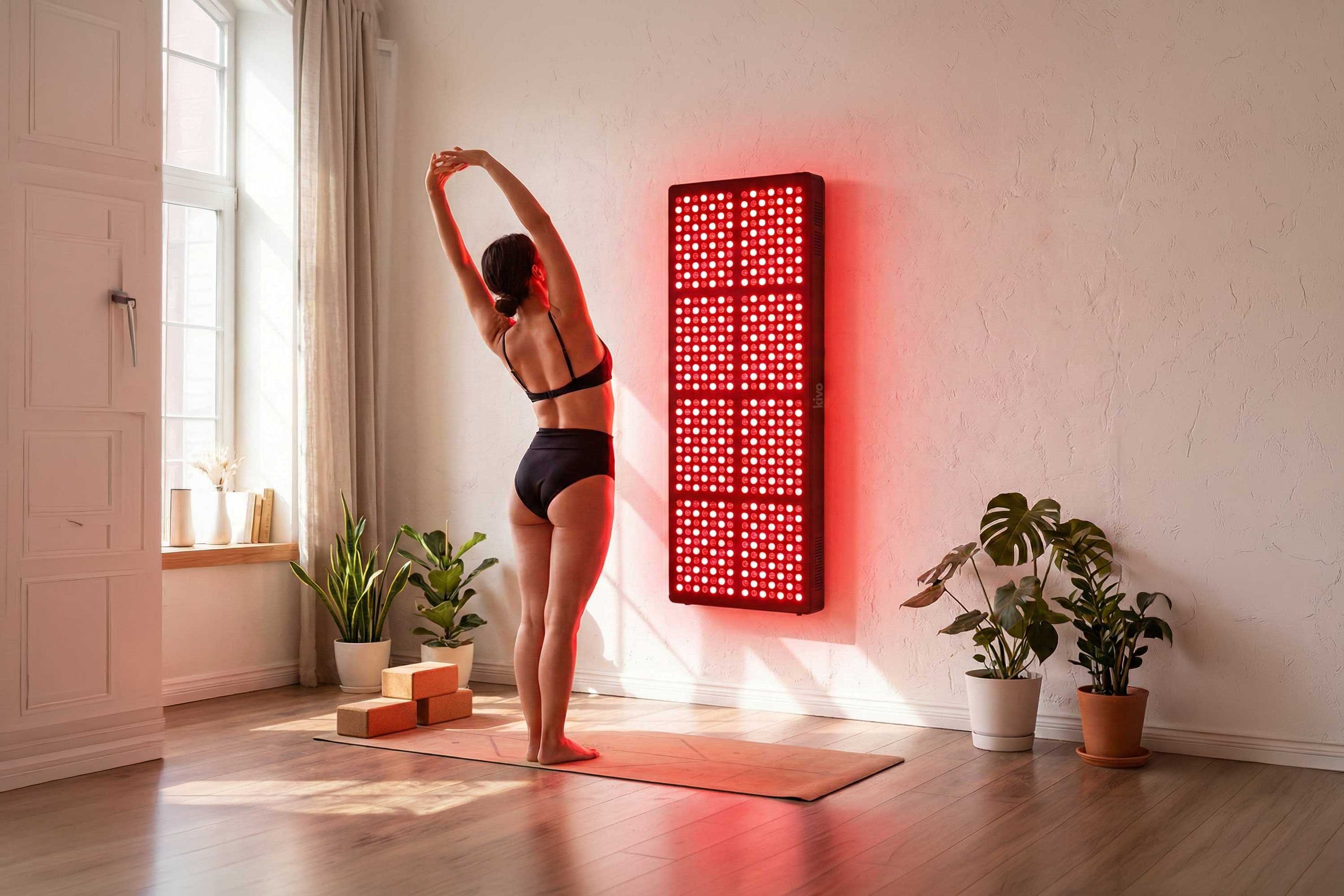
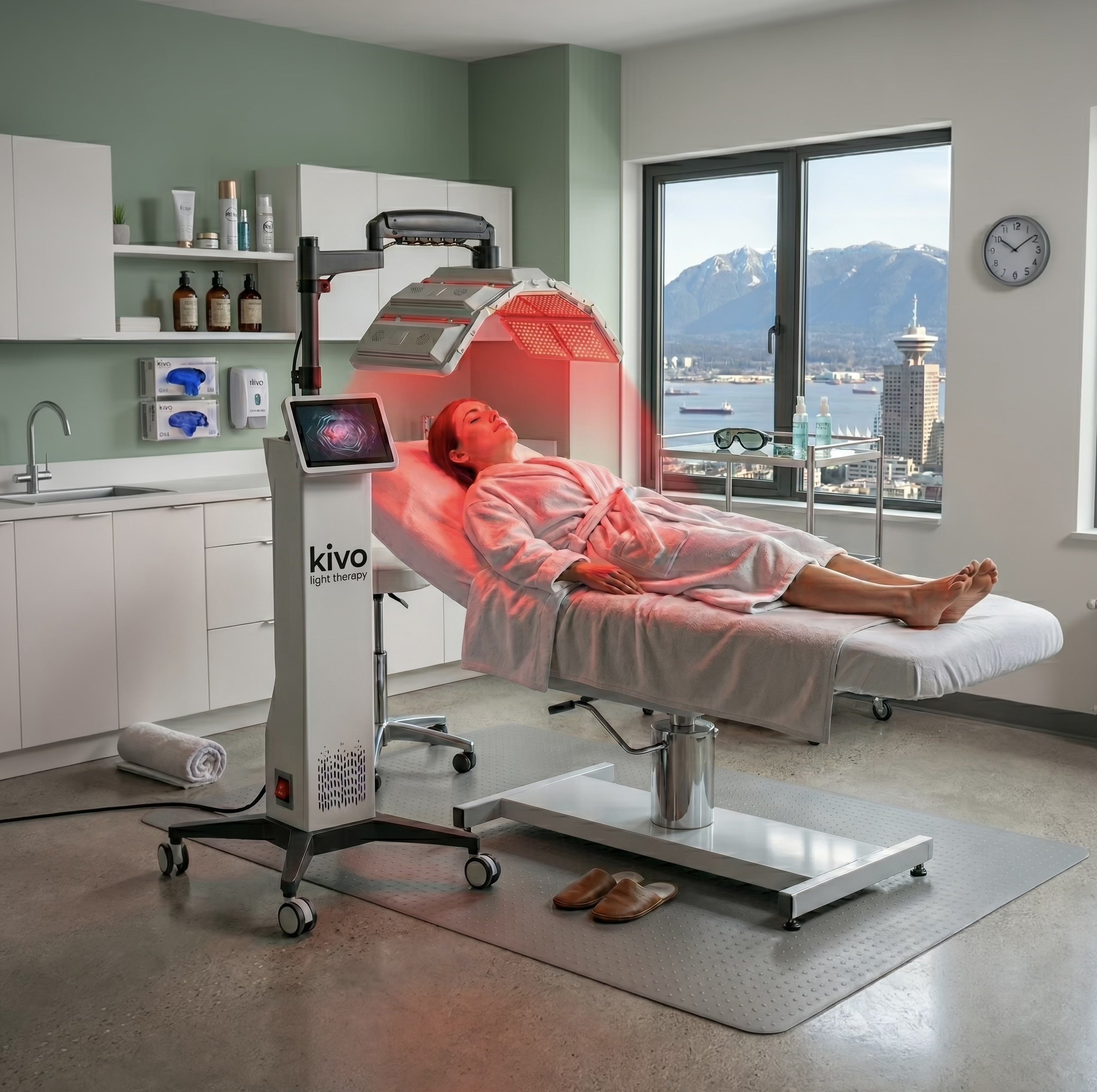
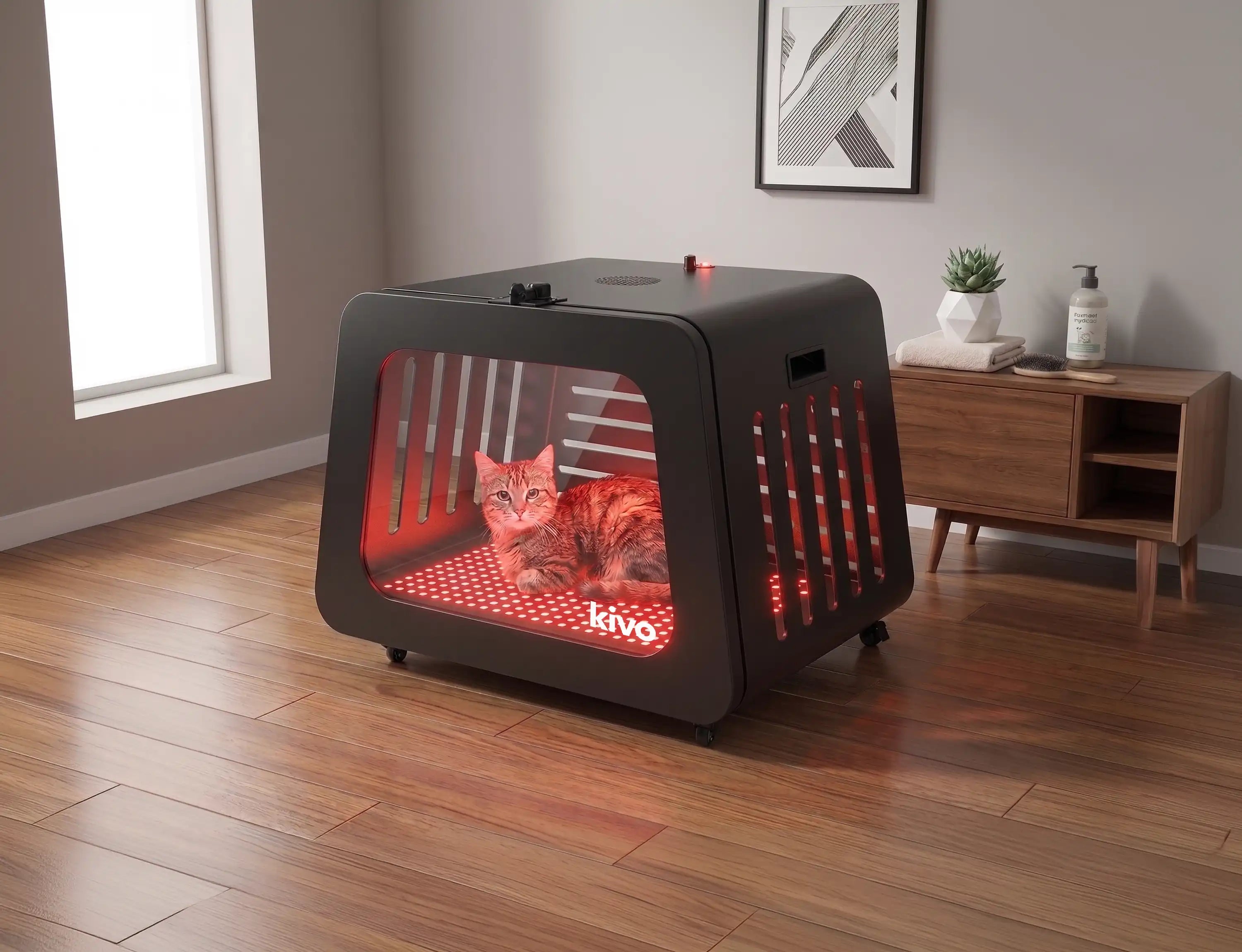
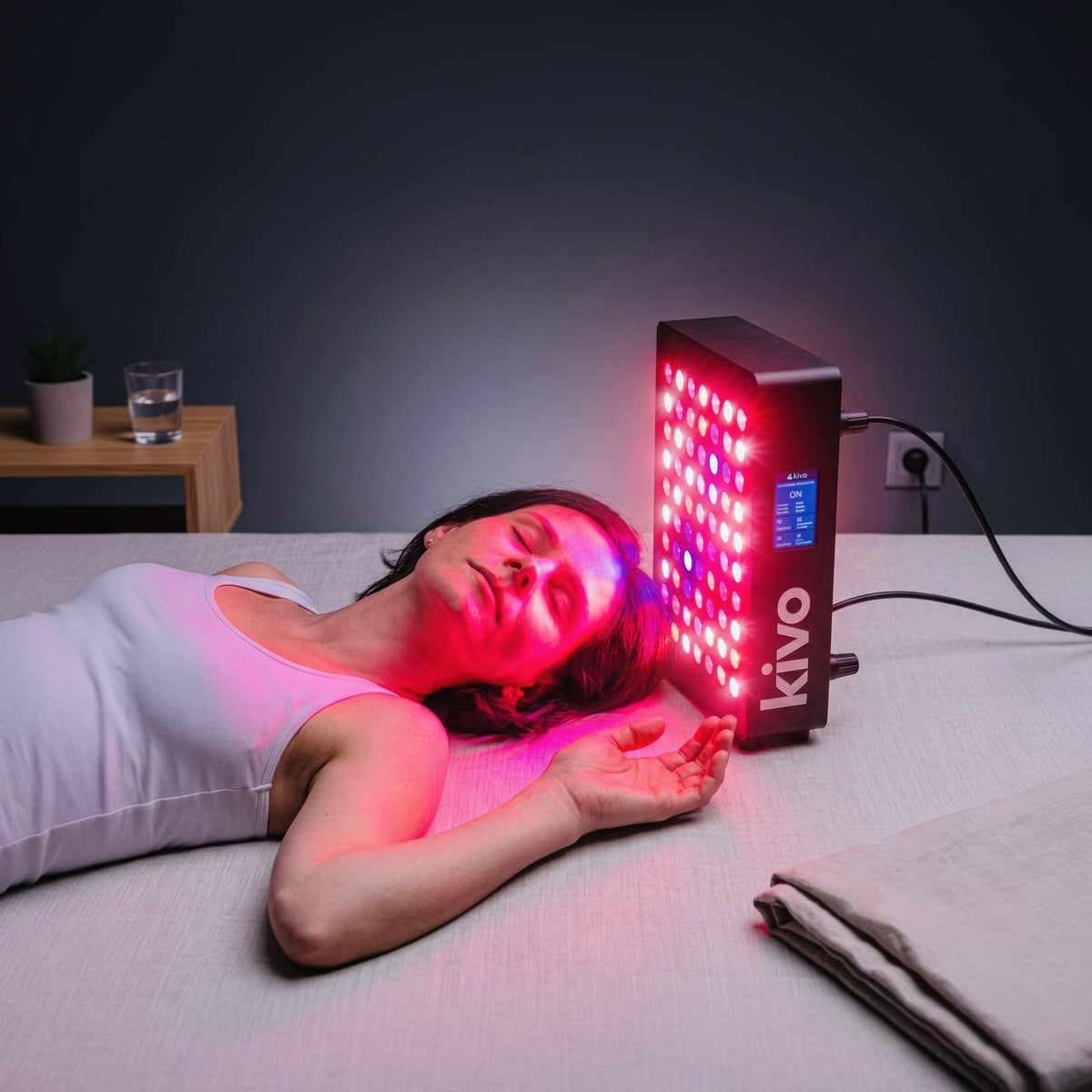


Let's find the best red light therapy device for you
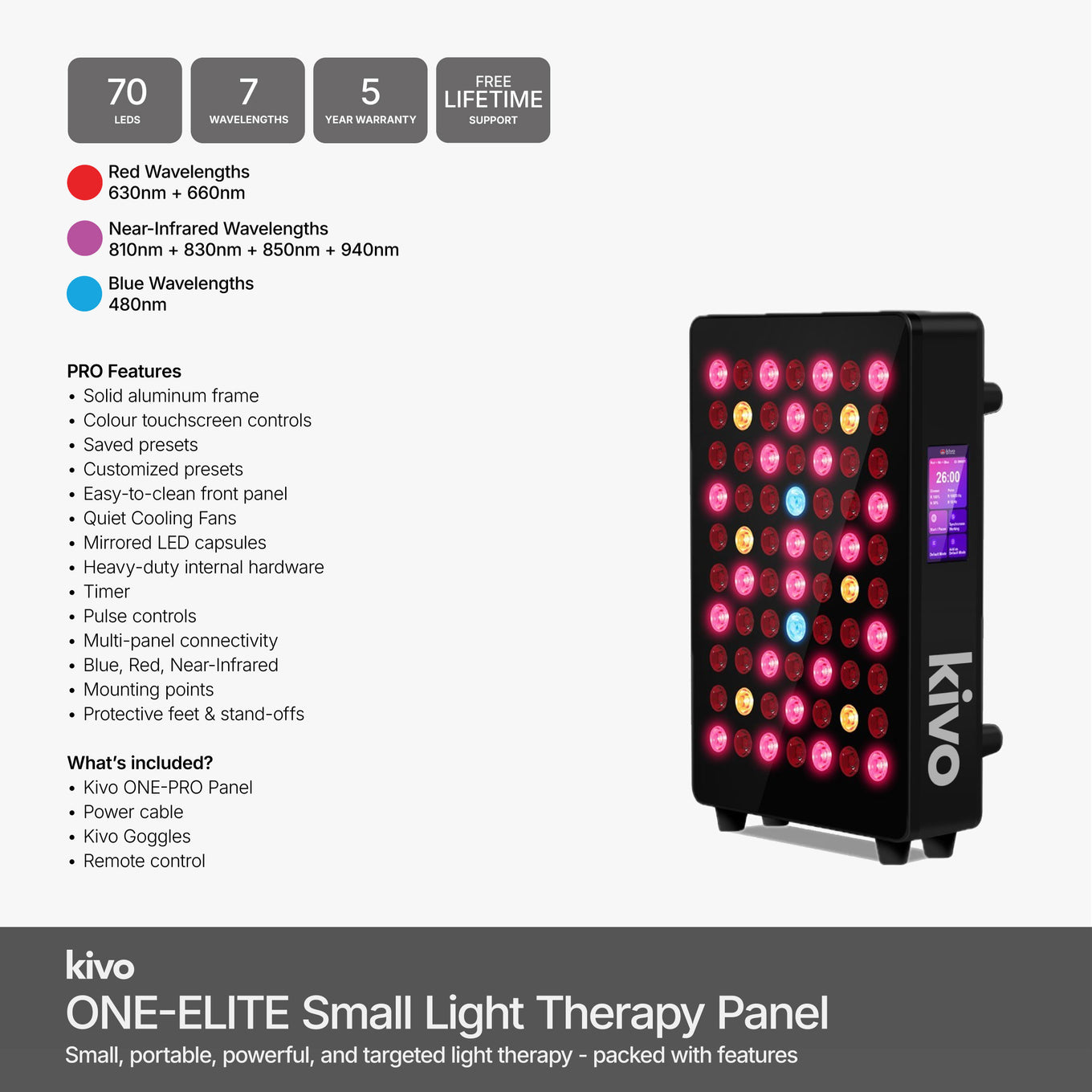
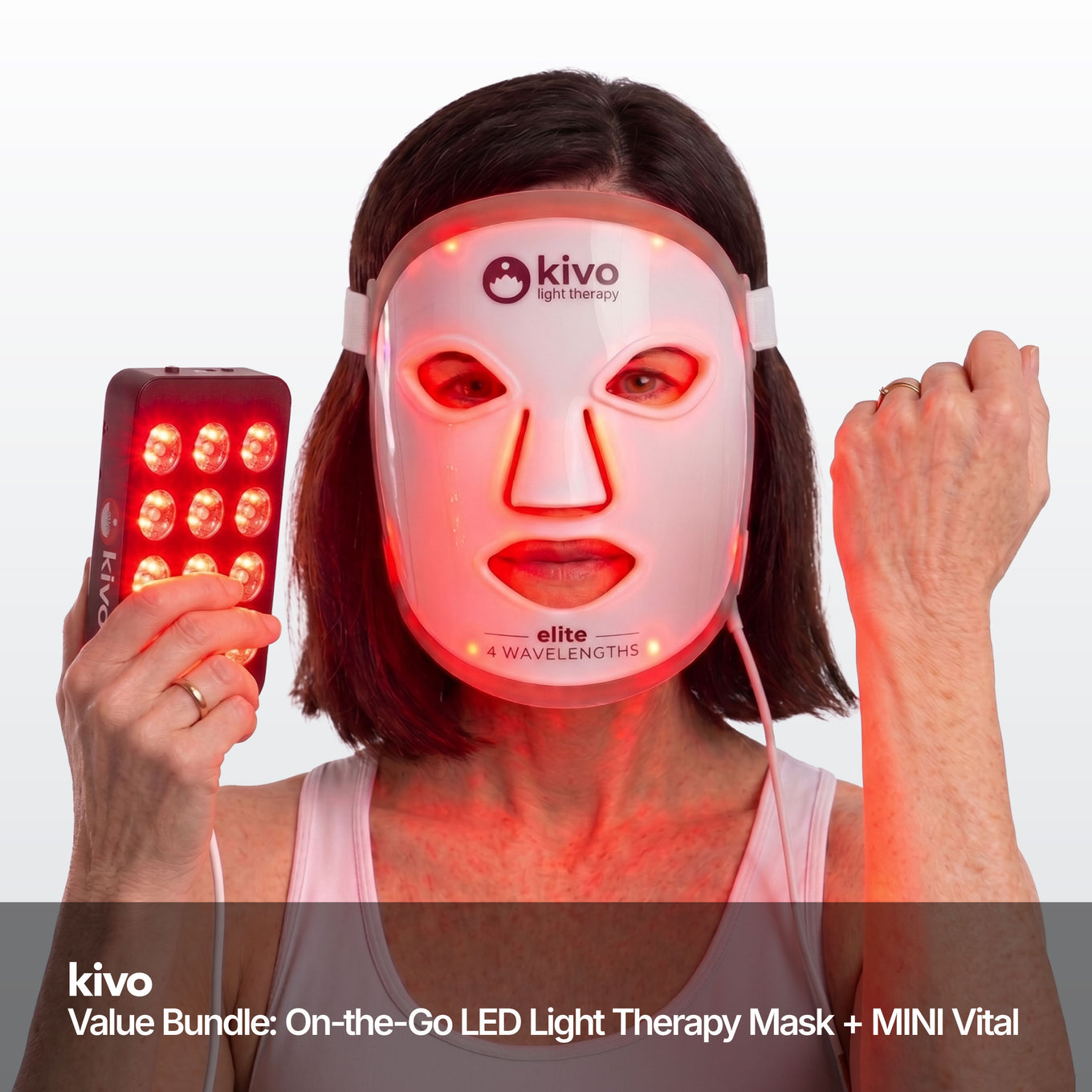
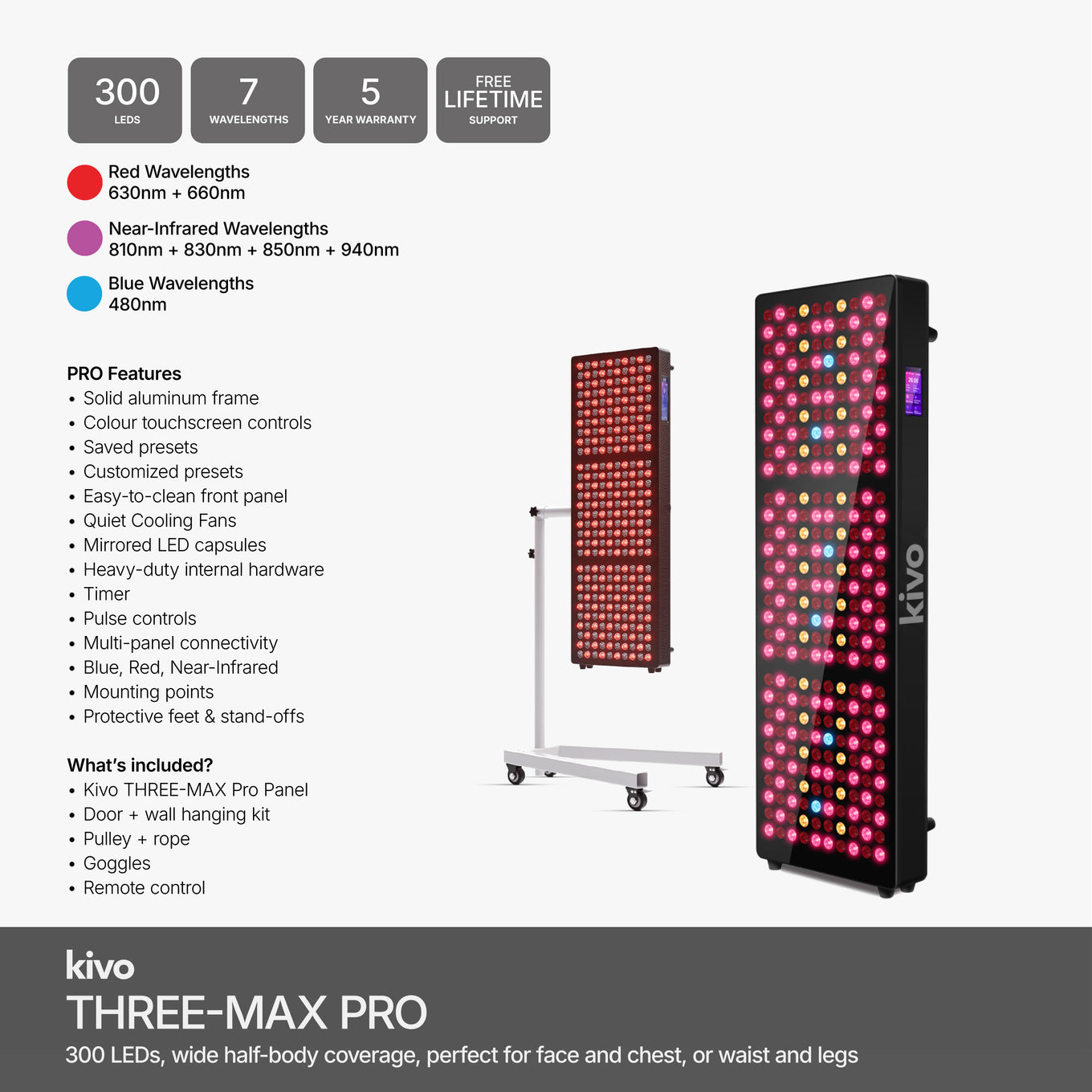
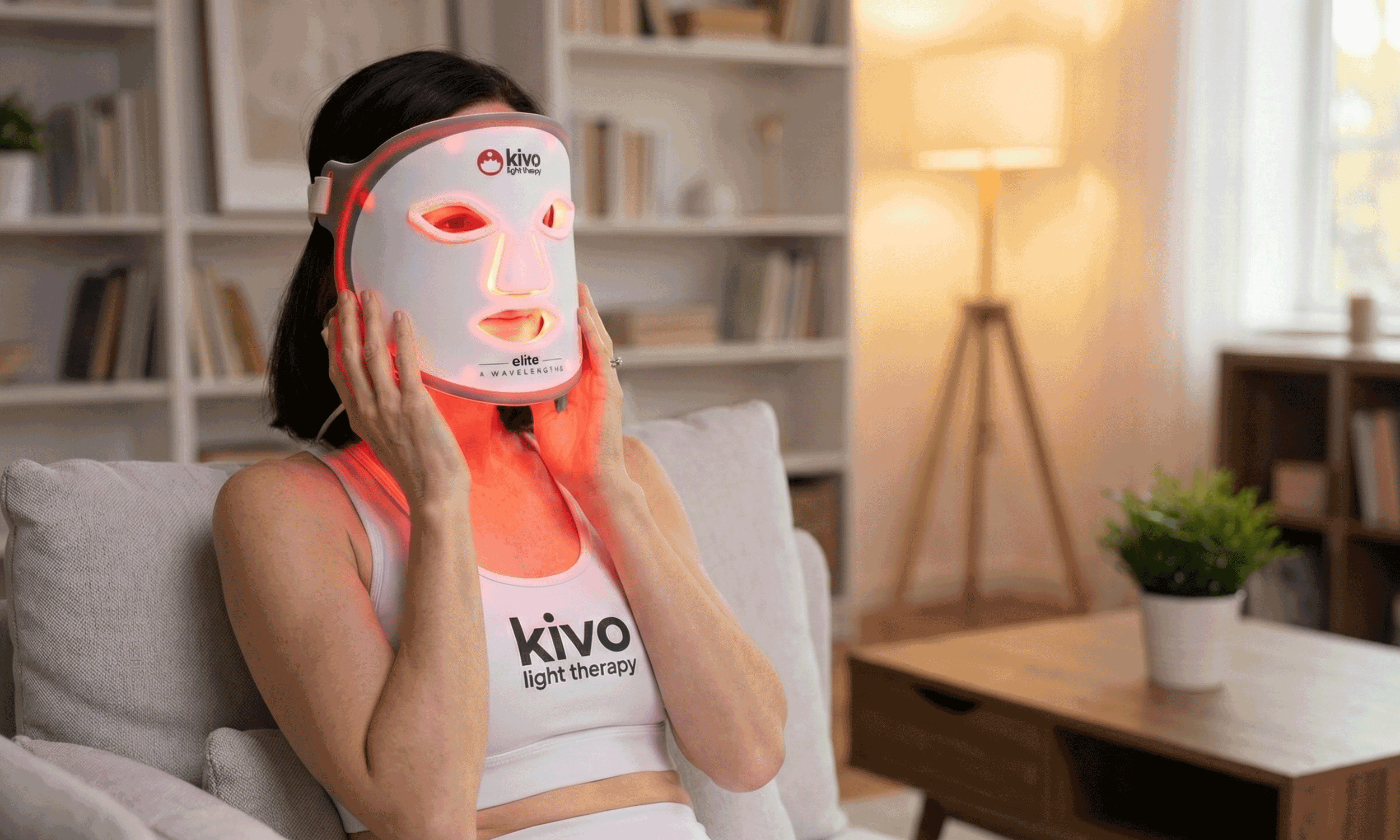
We can help you find the right devices for your goals, whether it's masks for anti-aging and spots, small panels for targeted issues or large panels for all over body recovery & wellness,
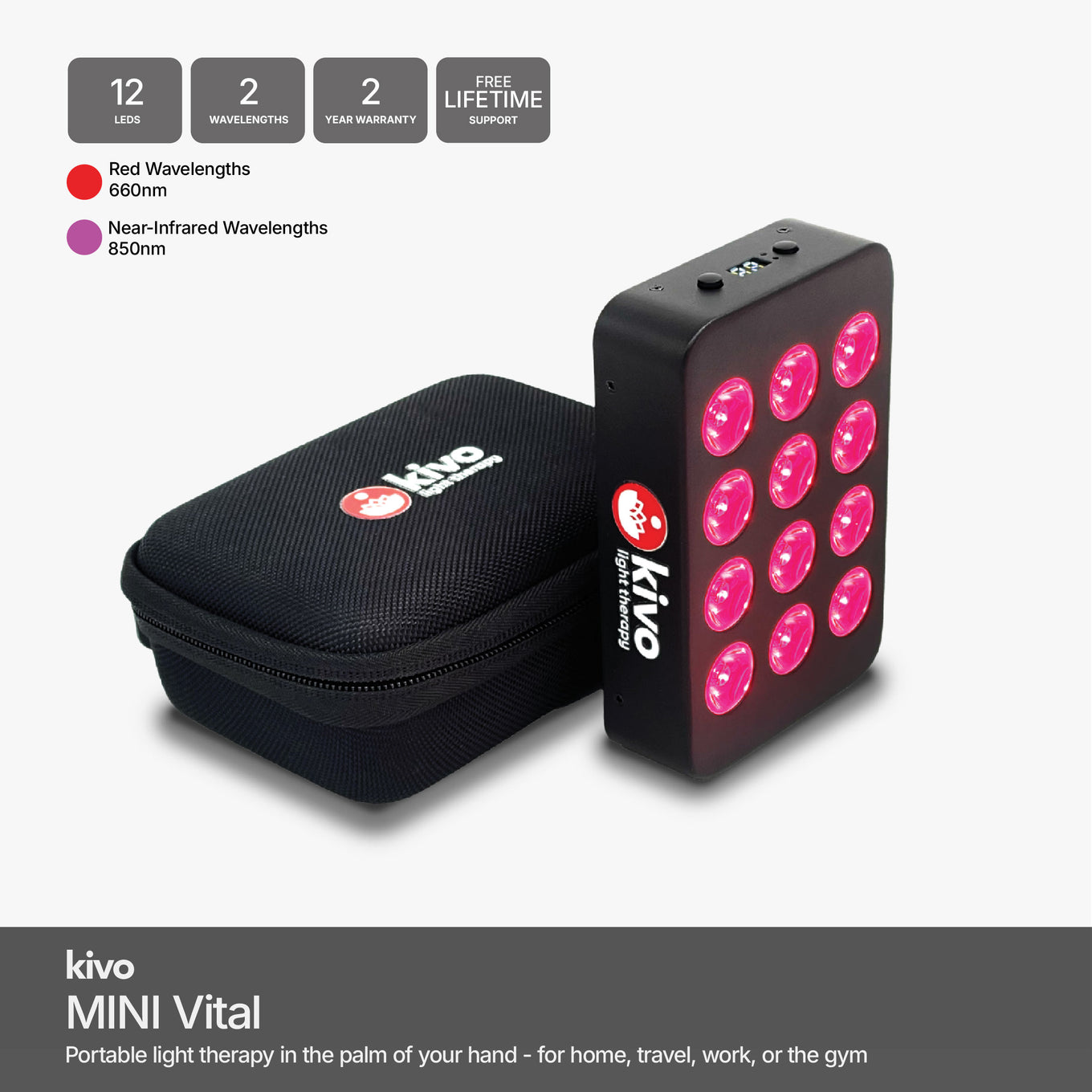
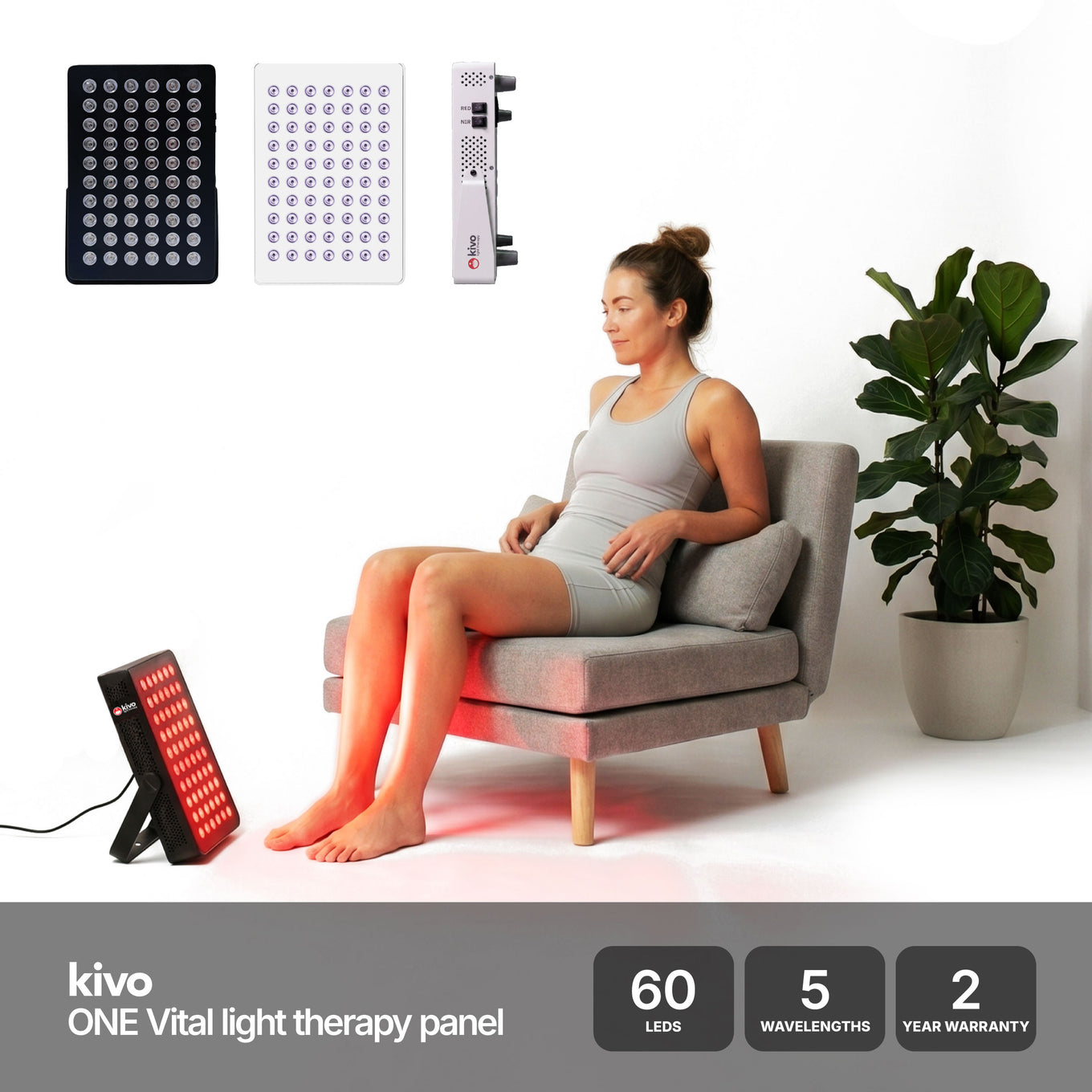
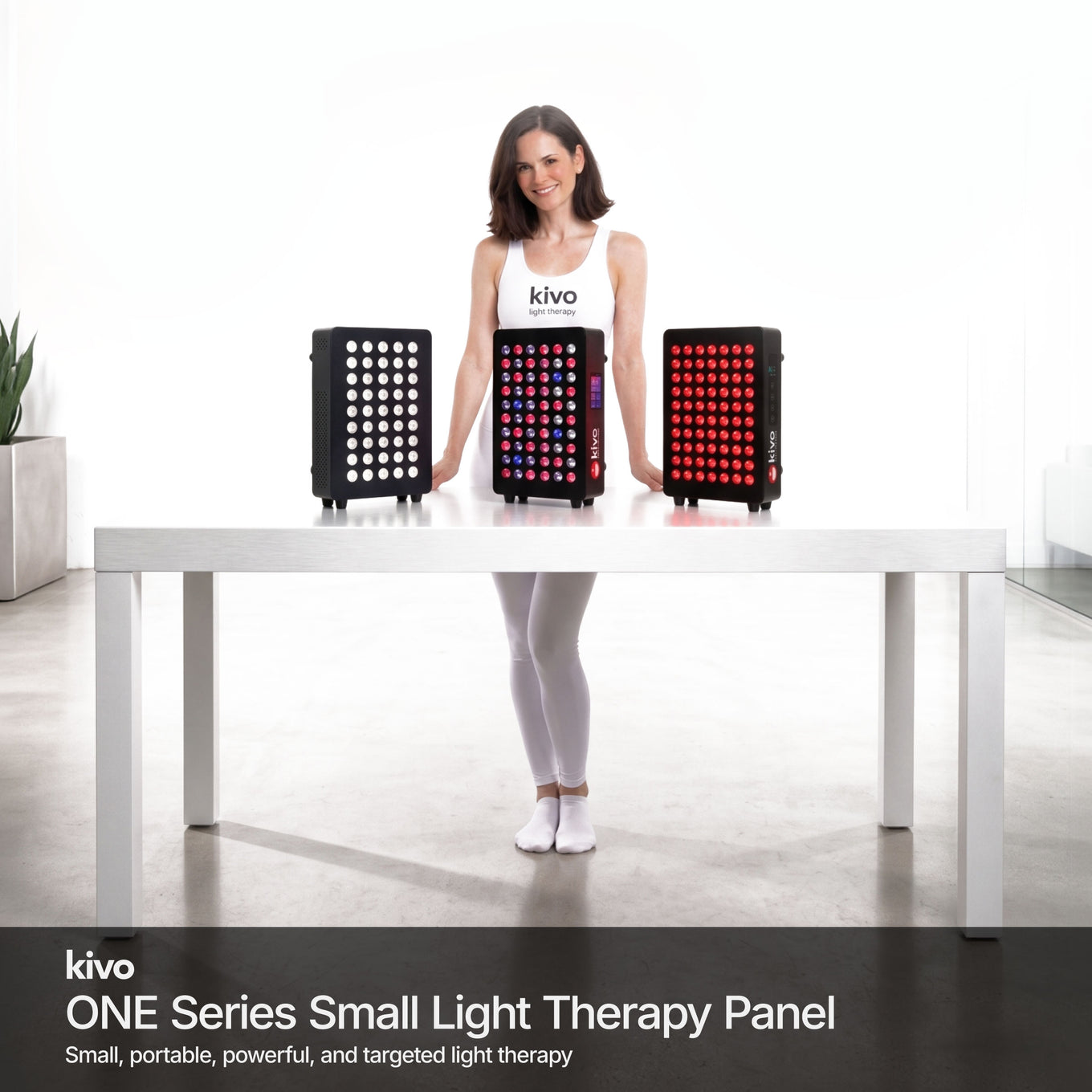

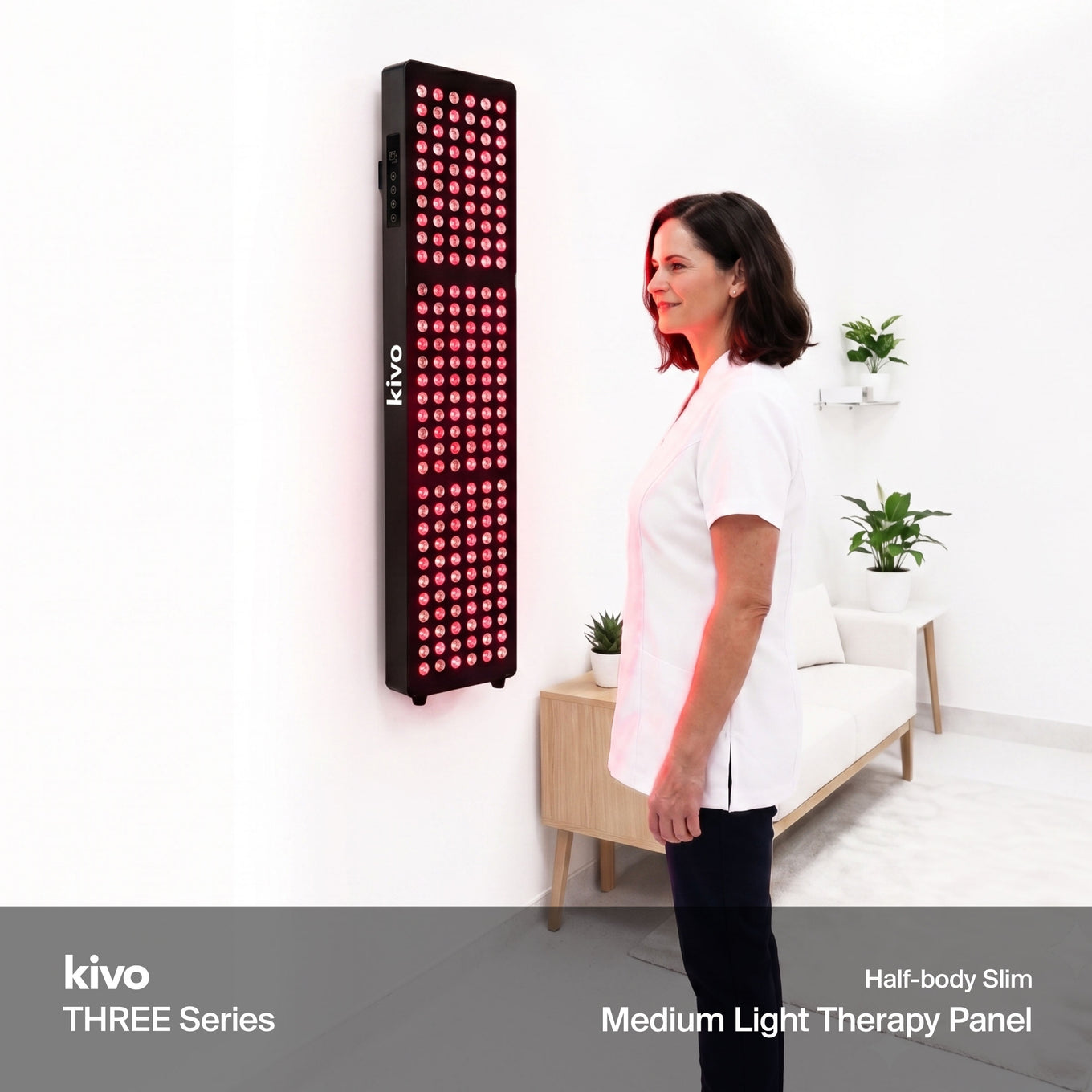
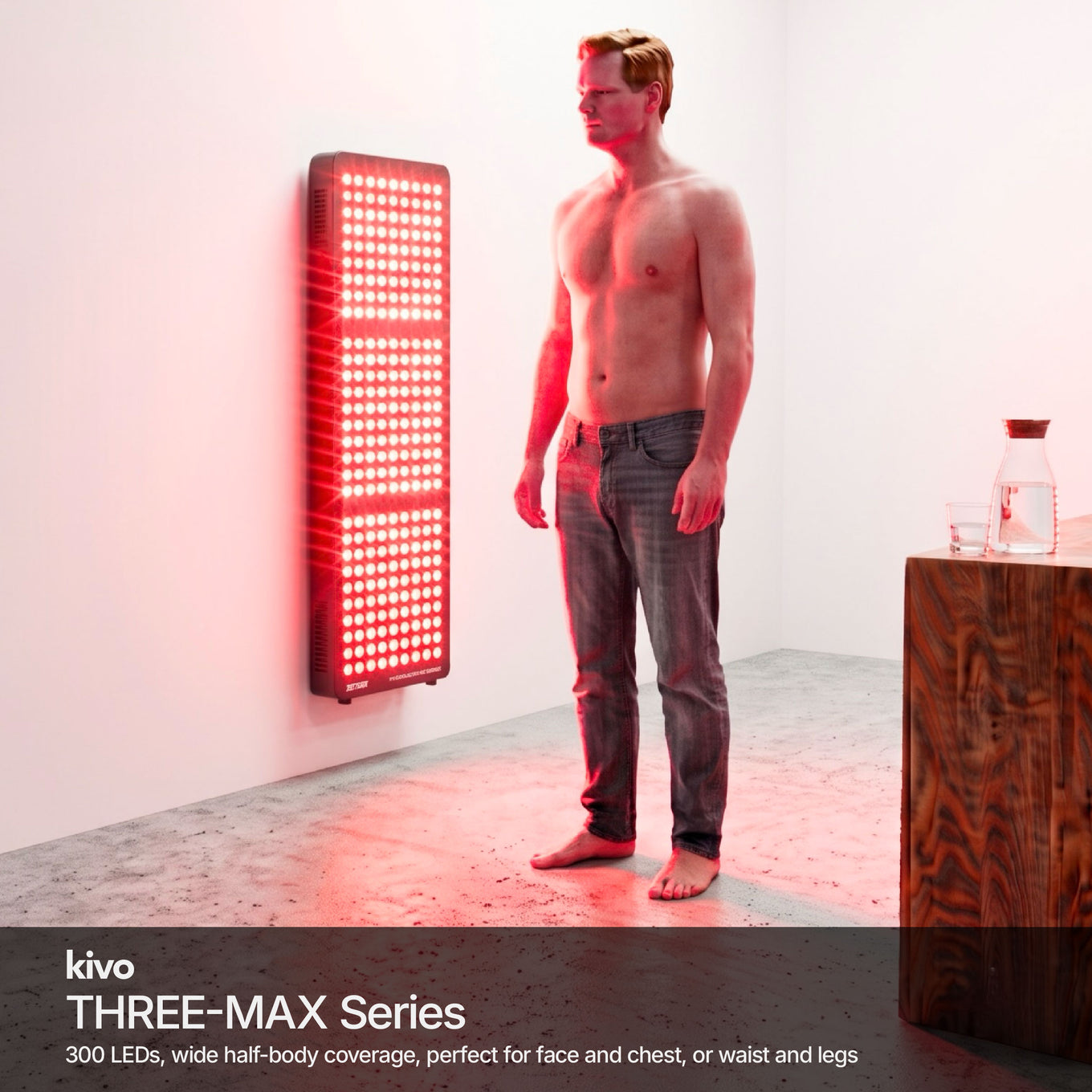
Red light therapy stimulates cellular energy to boost collagen production, smoothly restoring skin elasticity. Regular sessions help diminish fine lines, improve texture, and reveal a firmer, refreshed, and youthful tone.
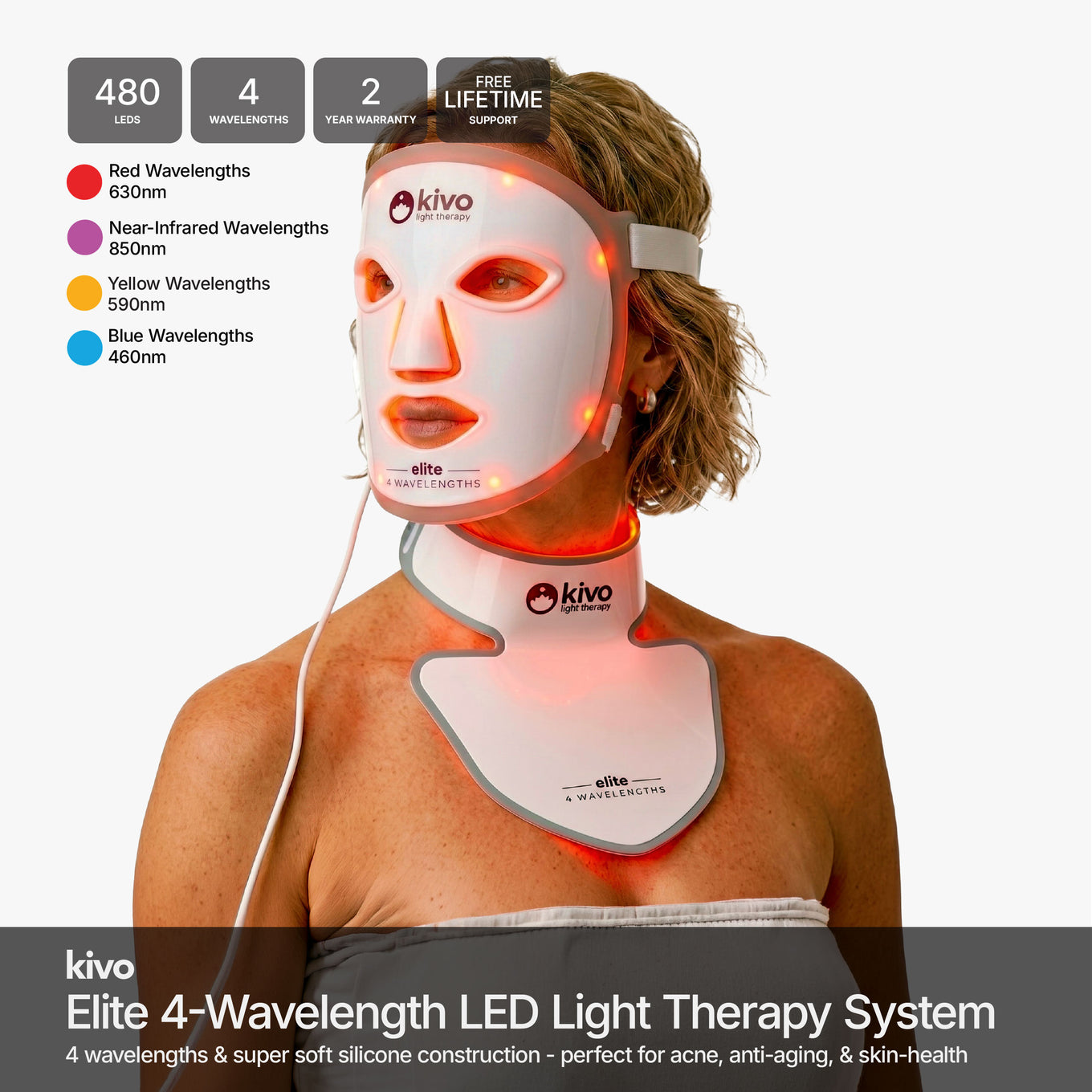
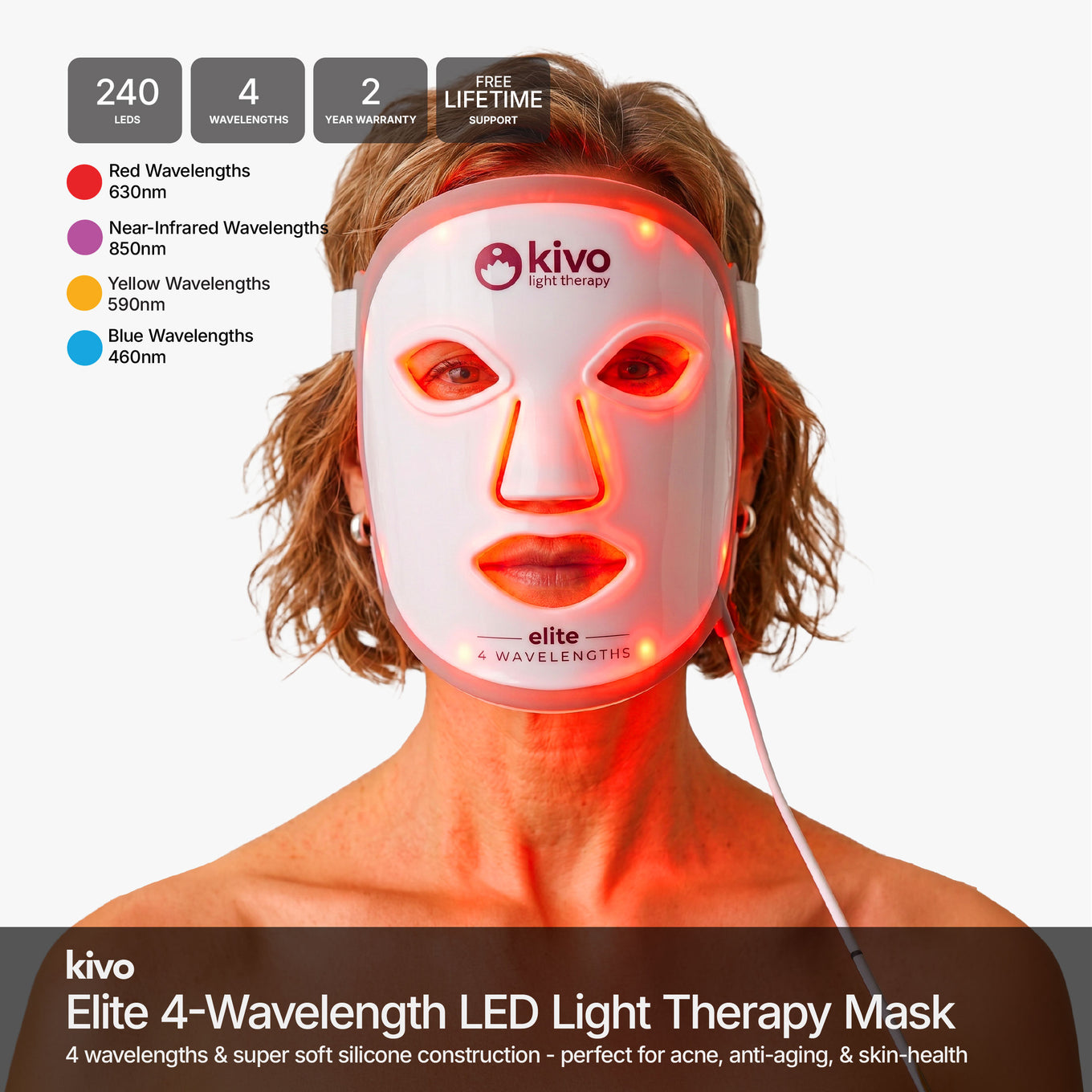
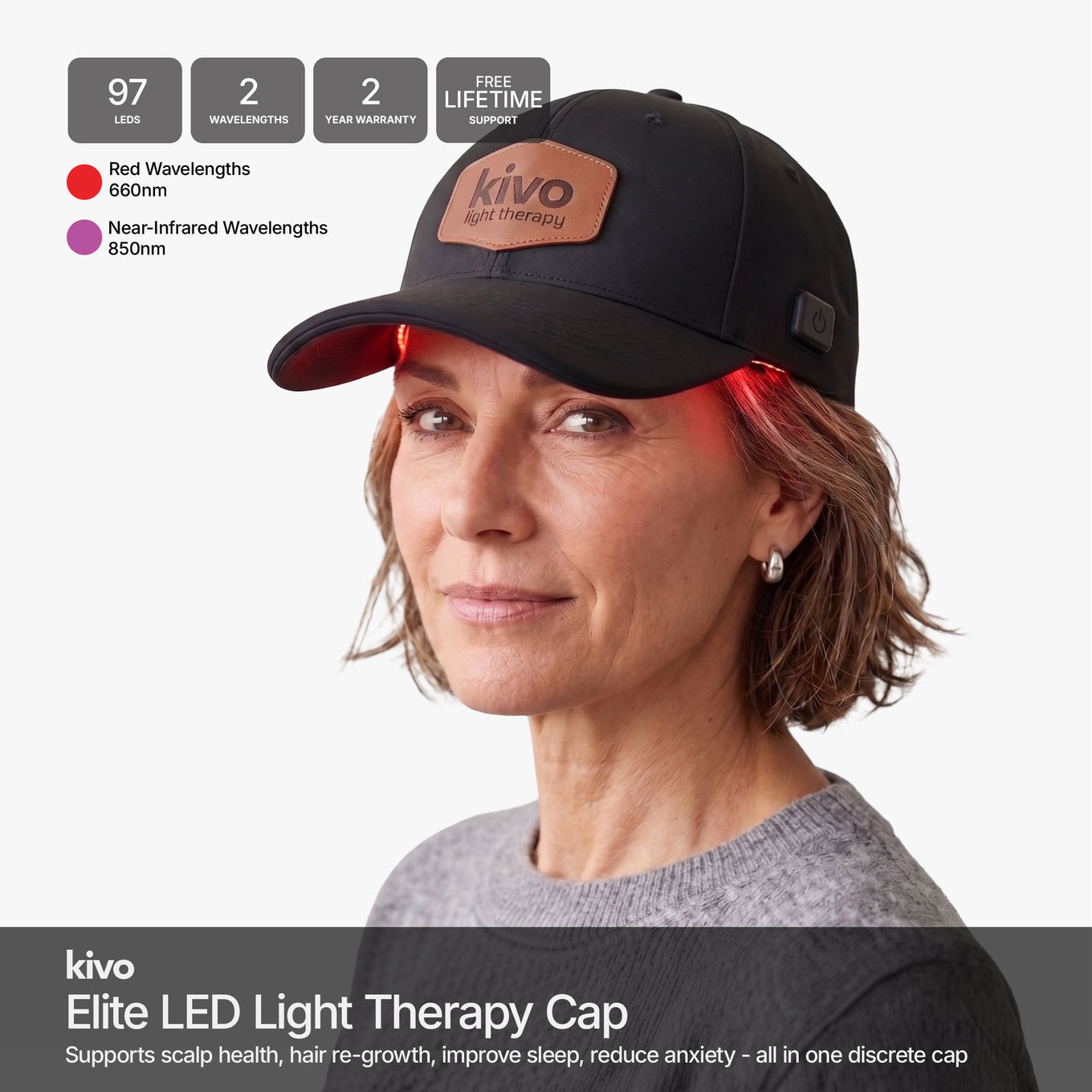
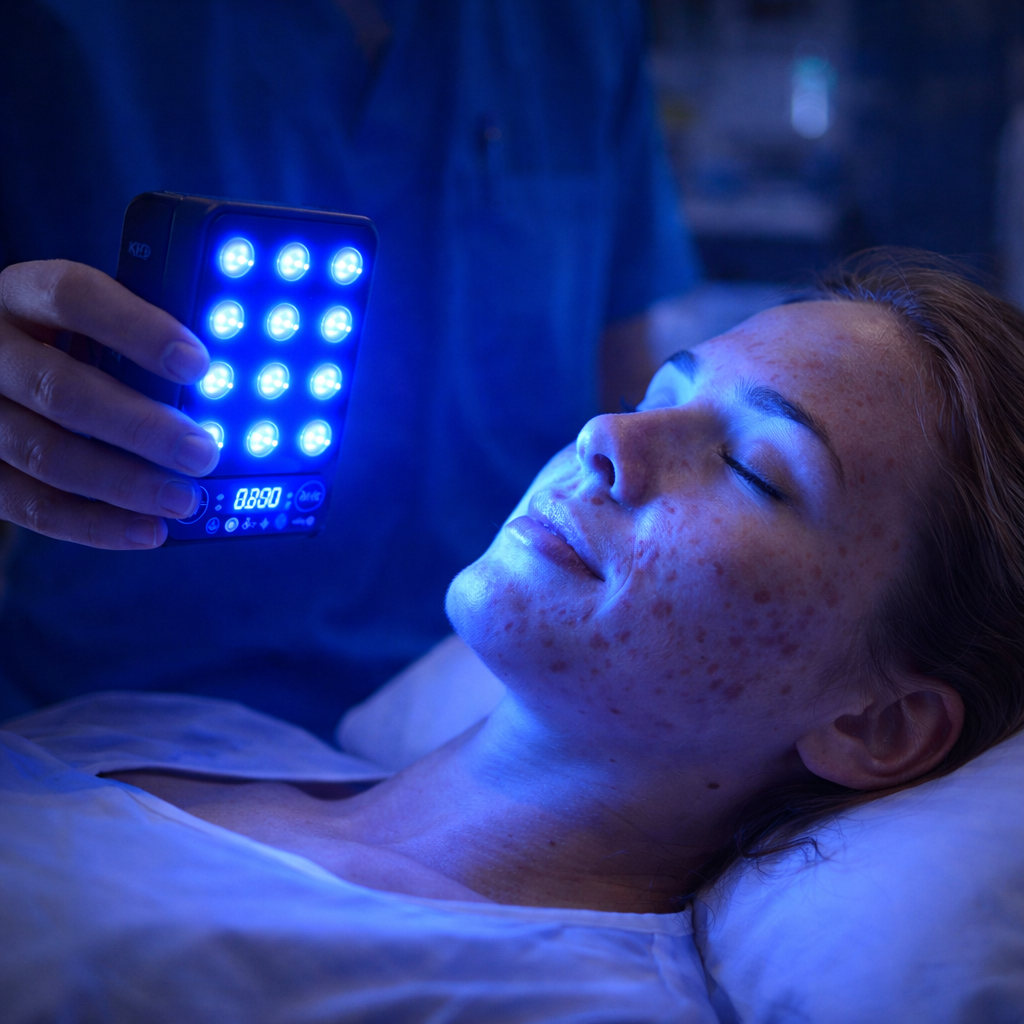
Kivo products with BLUE wavelengths to help kill acne and spot causing bacteria coupled with RED light and NEAR-INFRARED to help heal the scars caused by spots and acne
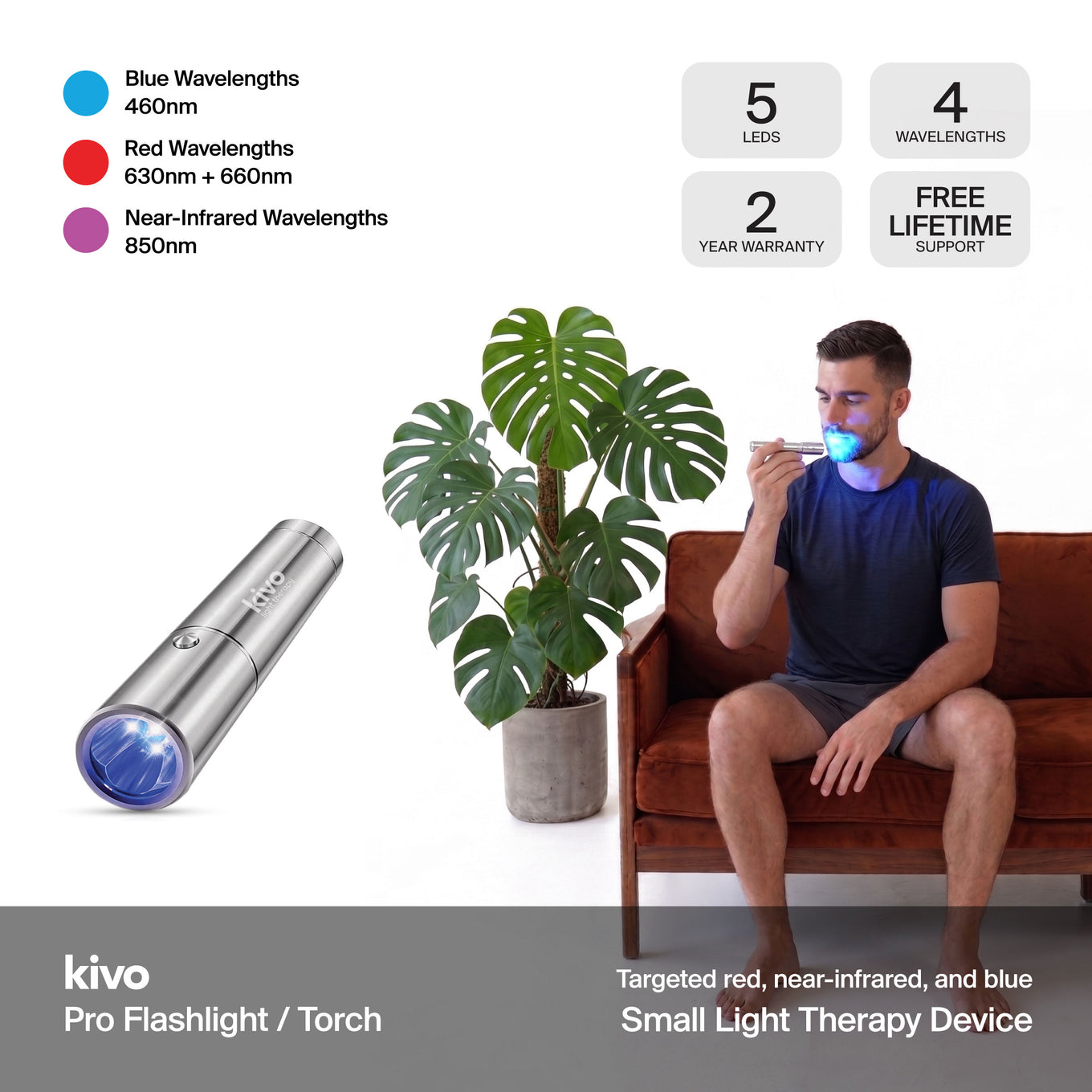
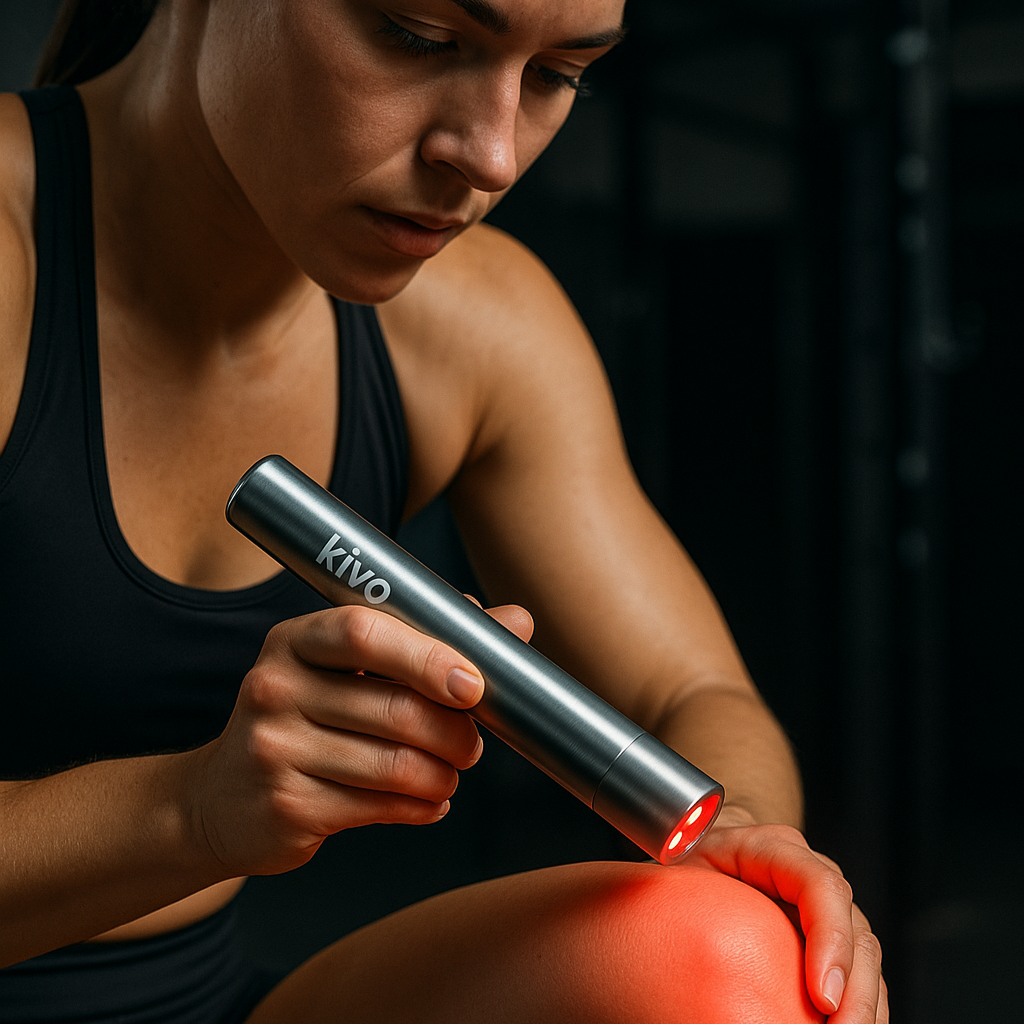
Kivo light therapy devices can help your face and hair, whether it's the Kivo Cap for hair follicle stimulating light therapy, or small flashlights to deal with stubborn spots, or small panels or masks to help with skin health and reducing fine lines and wrinkles
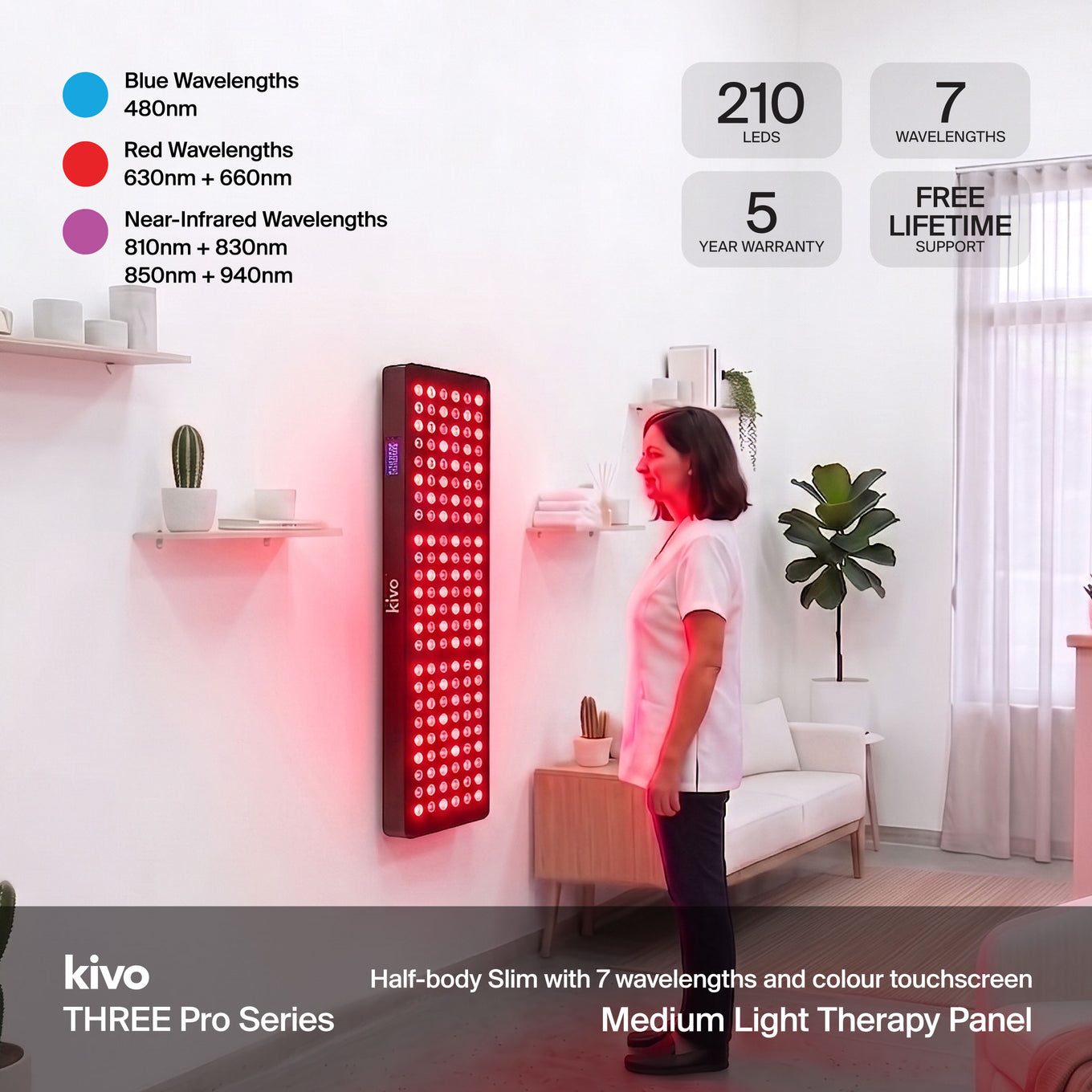
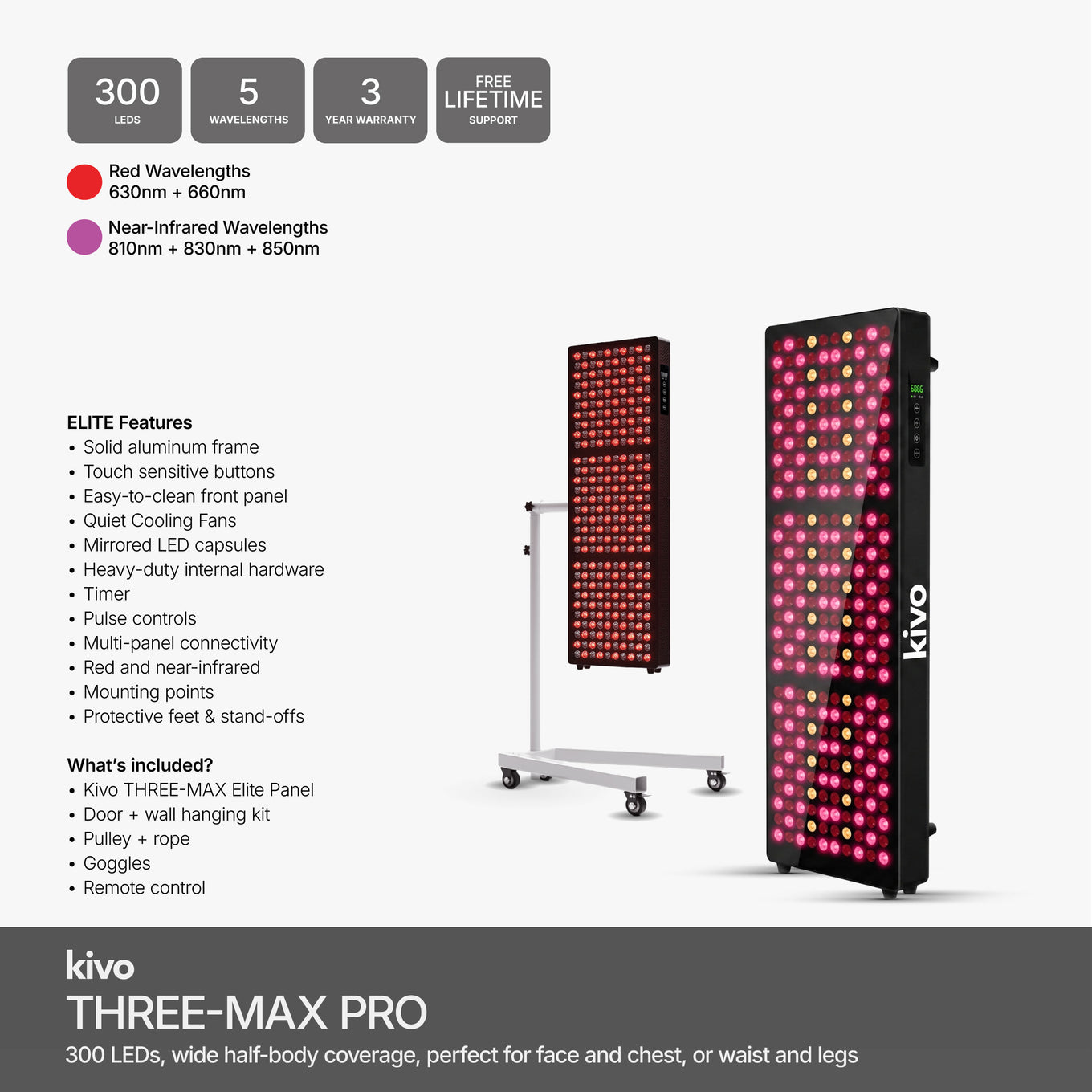
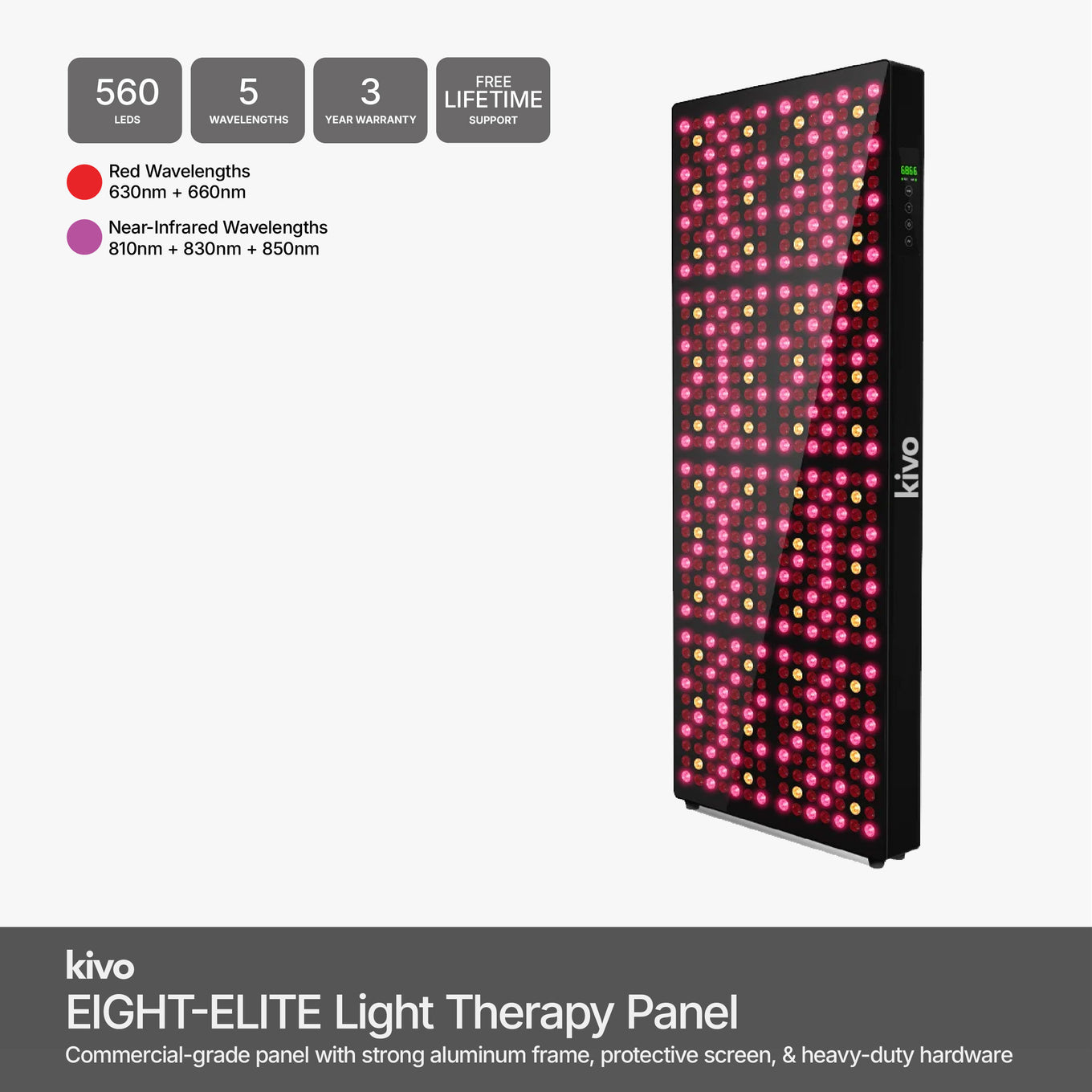
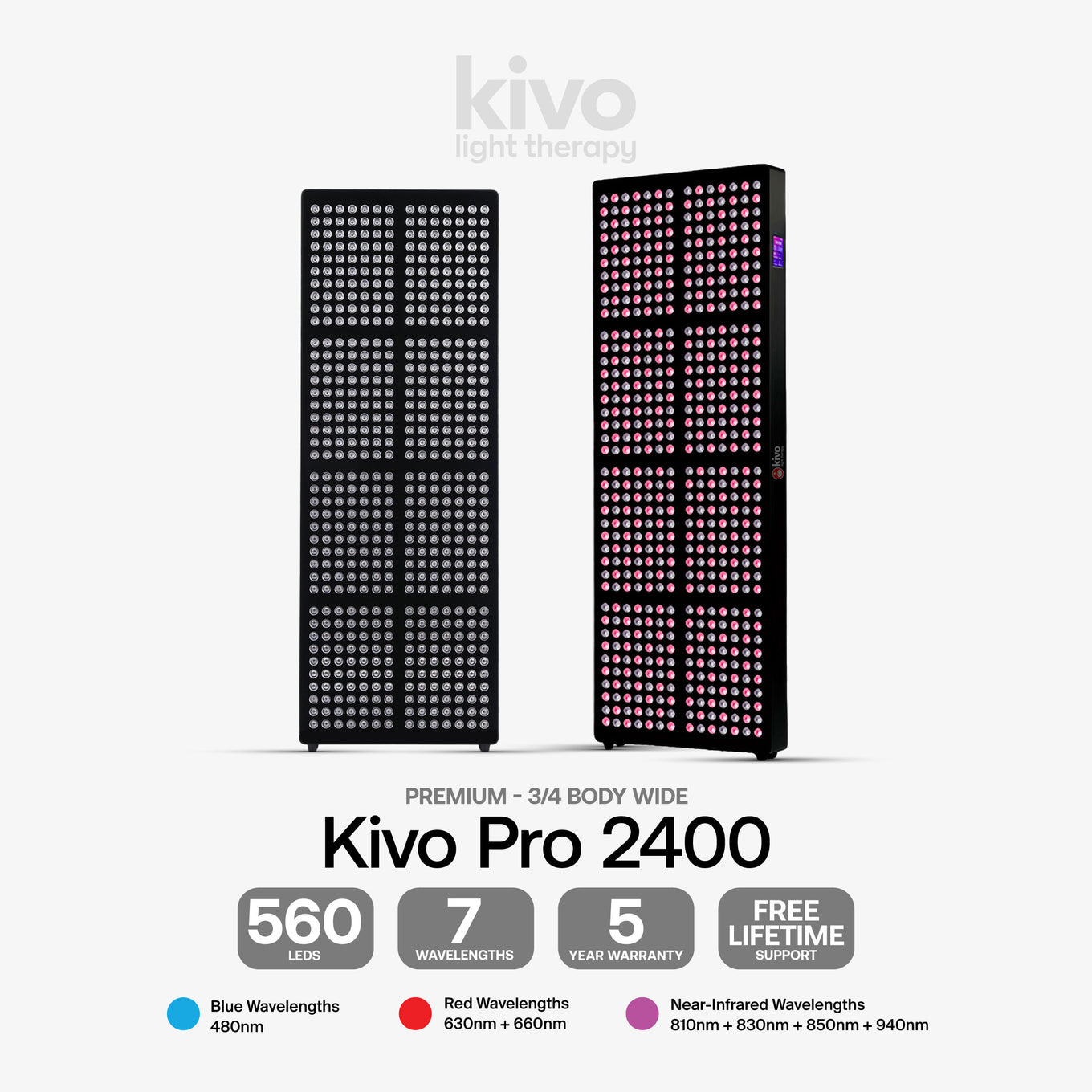
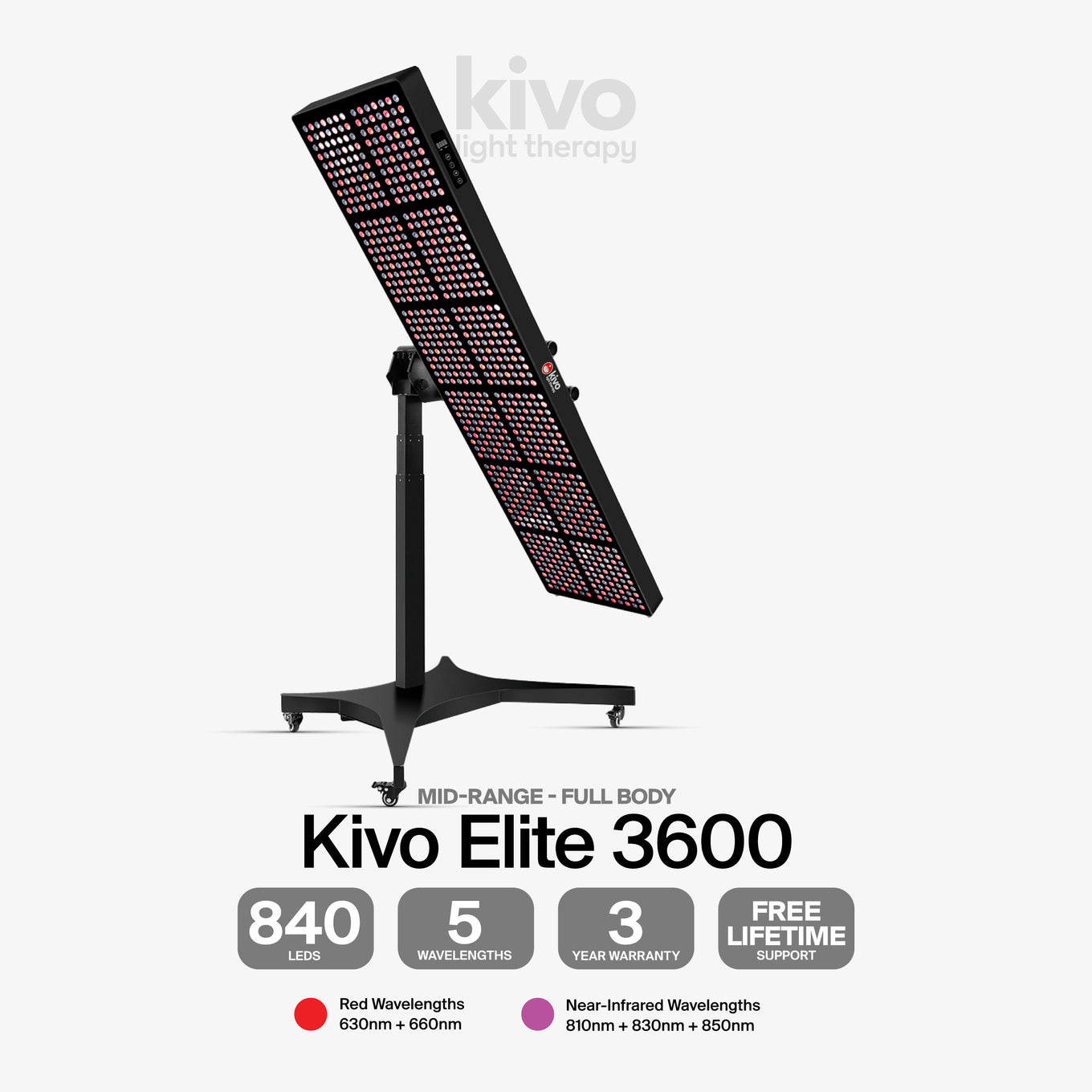
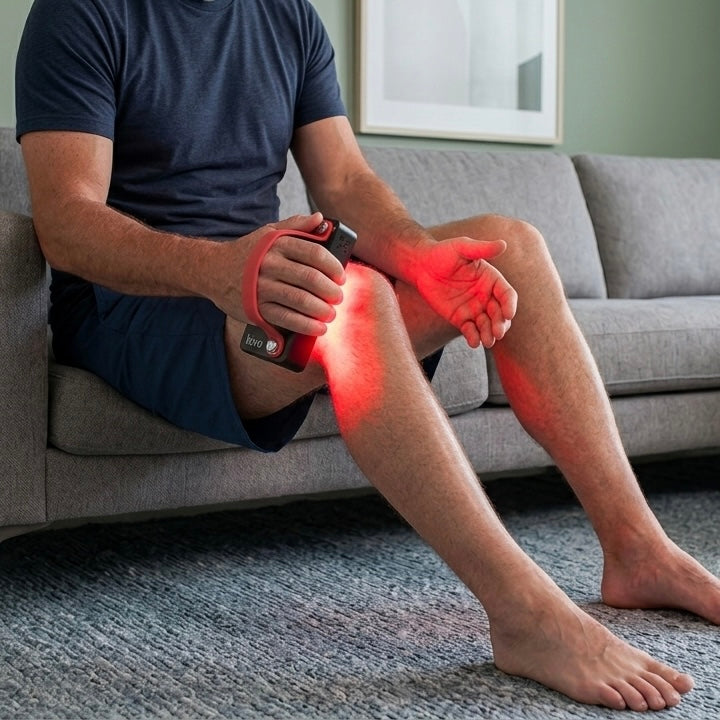
Kivo devices come with 5 clinically approved wavelengths, our PRO panels come with blue, and an extended near-infared wavelength for deeper penetration and injury recovery - choose a small panel for small joints.
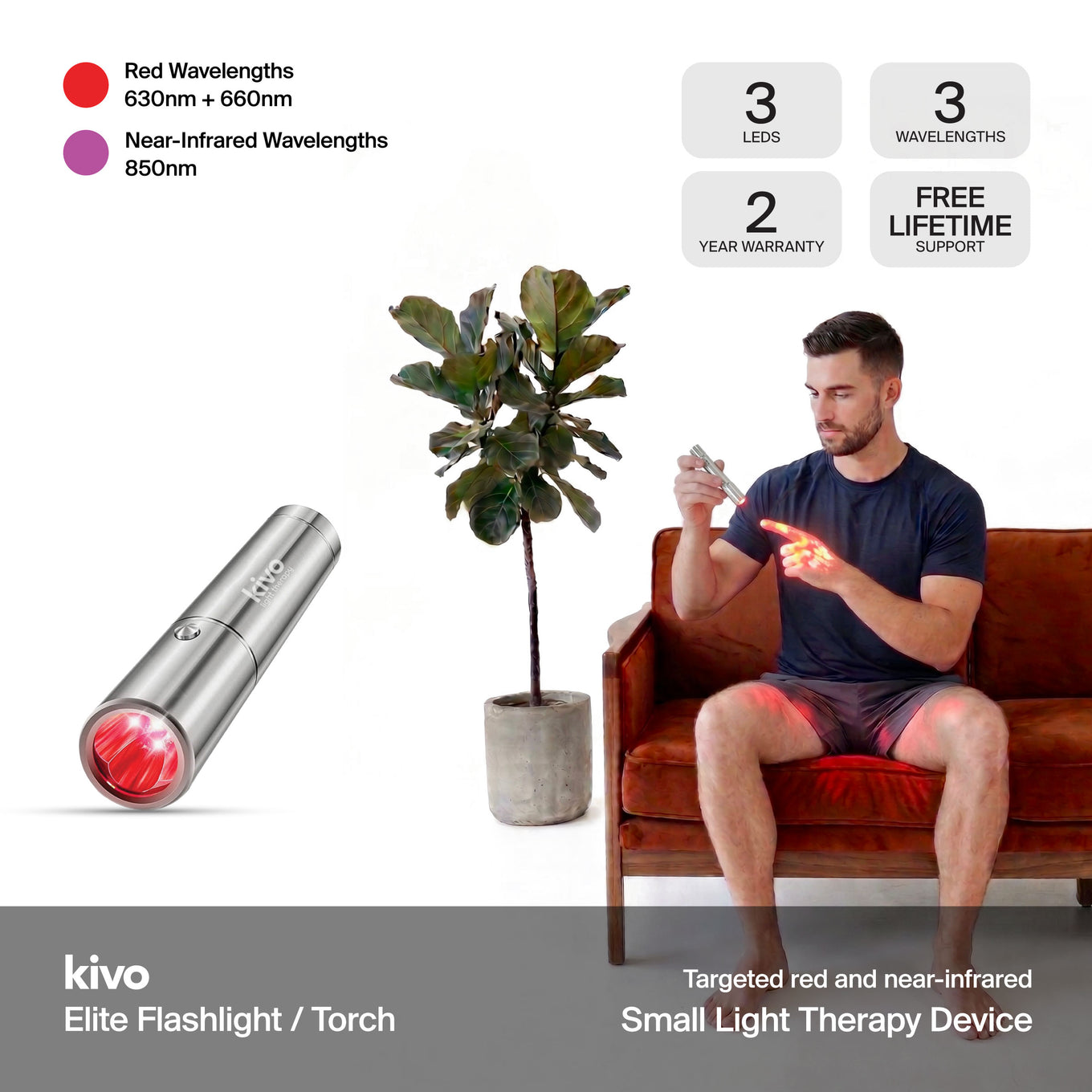

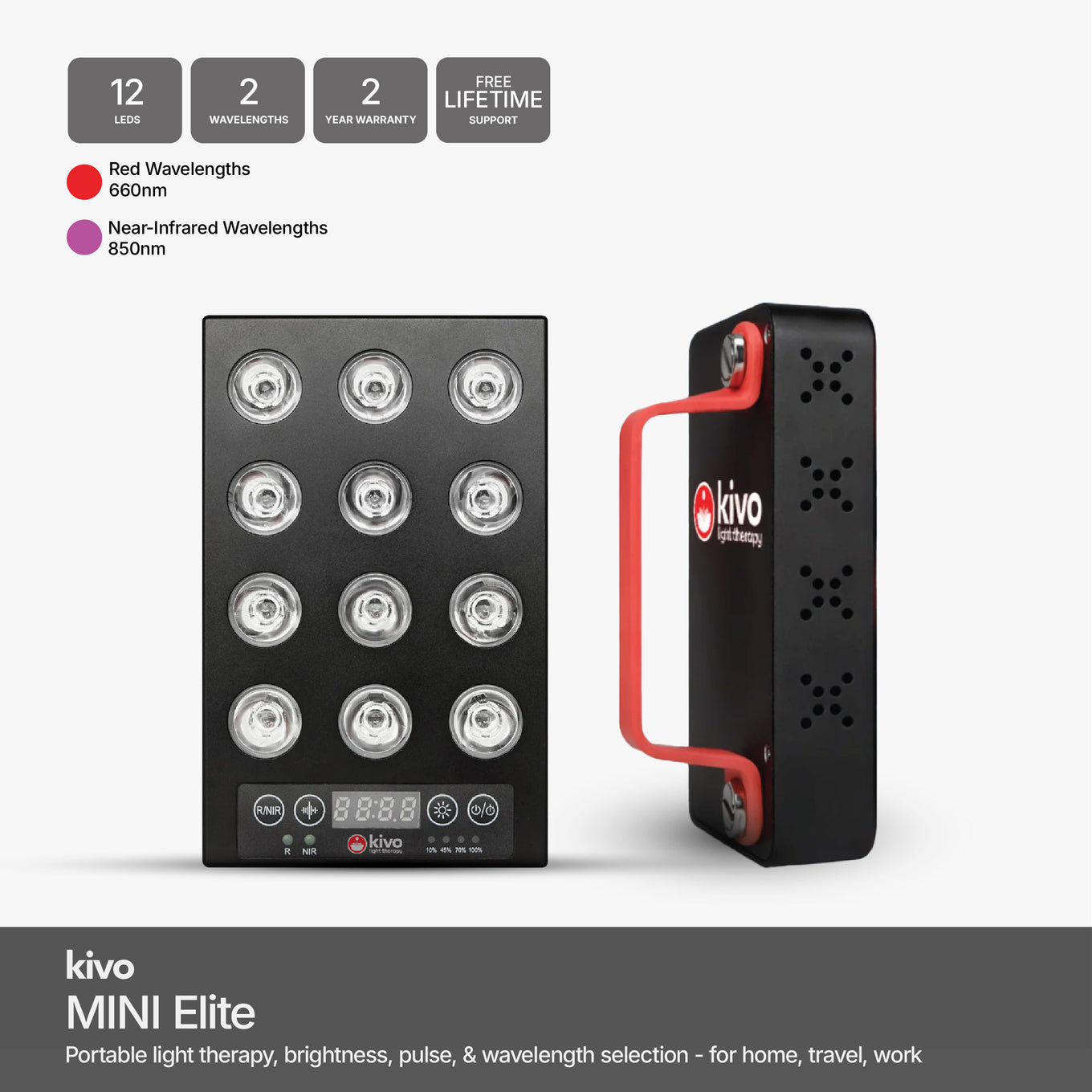
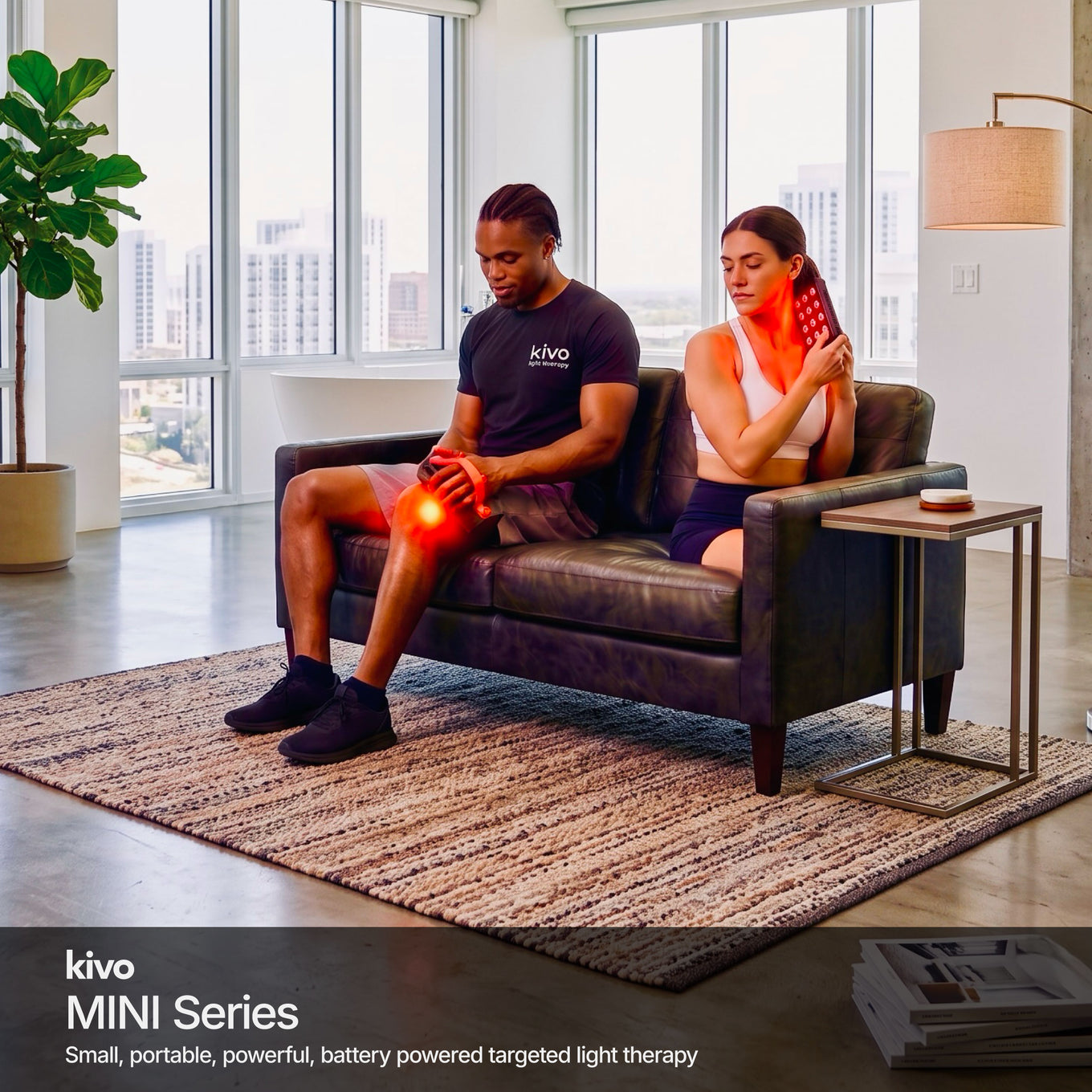
Choose a larger panel to heal deal with tough back problems like aching joints, tight muscles, tendon or ligament issues in one quick 15 minute a day light therapy session



Recommended by Professionals
Kivo has worked with partners from Canada and the USA to Australia to France and to Germany... and everywhere in between. Kivo Products are reliable, clinically-effective, and recommended to thousands of people

Recommended by Harmony Laser
Harmony Laser, based in New Westminster, BC, Canada, only recommends Kivo Light Therapy masks. Their clients have returned their "other" masks, to experience more wavelengths, more control, and better outcomes - with Kivo Light Therapy

Recommended by Dr Owers (MD)
Dr Owers and Ageless 3.0 MedSpa, based in Vancouver BC, ONLY recommends Kivo Masks and Kivo Red Light Panels to help combat aging, wrinkles, fine-lines, and improve skin rejuvenation
Dr. Owers - Doctor of Medicine, Non-Surgical Aesthetic Medicine, Family Medicine, Hospital Medicine, Phlebology - is an active member of the American Society for Laser & Surgery; the American Academy of Aesthetic Medicine; the Canadian Association of Aesthetic Medicine; and the American Society of Physician Specialties.
What have people experienced with a Kivo device?
Kivo Light Therapy is clinically-proven with thousands of studies that shows it reliably works. Thousands of people experience the life changing effects of Kivo Light Therapy..
98%
Saw a substantial improvement when using a Kivo Panel for injury recovery
87%
Experienced better and longer sleep in 4 weeks using our Pro Panel system
96%
Saw better skin, less spots, and less fine lines & wrinkles using the Kivo Mask
100%
People who purchased a Kivo product, would recommend Kivo to a friend or family

Learn more about Light Therapy

Do not buy Red Light Therapy Wands - a Clinical Reality Check
Small handheld red light wands are advertised everywhere across social media. Companies claim that waving a tiny, battery-operated stick over your skin for three minutes will lift wrinkles, clear acne, and firm your face. The honest answer is grounded in biophysics: handheld red light wands do not possess the power density, coverage area, or energy output required to trigger cellular repair.
Learn more
Red Light Therapy and Perimenopause
Red Light Therapy for Perimenopause: A Supportive Guide to Naturally Easing Symptoms Perimenopause is a natural transition, but the physical and emotional shifts can feel overwhelming. Up to 80% of women notice significant changes during this stage, which can begin years before periods stop completely. Hormone replacement therapy and dietary adjustments are popular options, but red light therapy has become a popular, non-invasive home tool to help support hormonal balance, skin health, and everyday energy. What Is Perimenopause? Perimenopause is the multi-year transition leading up to menopause. During this window, your ovaries gradually slow down hormone production, but hormone levels do not decline in a straight line. Instead, they spike and plunge unpredictably. Key facts about the perimenopause transition: Timeline: It usually begins in your 40s (sometimes late 30s) and typically lasts between 4 and 8 years. Hormonal swings: Estrogen levels fluctuate erratically while progesterone steadily drops. The official marker: You remain in perimenopause until you have gone 12 consecutive months without a menstrual cycle. At that point, you have reached menopause. Common symptoms: Irregular cycles, sleep disruptions, sudden temperature changes, mood shifts, brain fog, vaginal dryness, and joint aches. How Does Red Light Therapy Work? Red light therapy - also known as photobiomodulation or low-level light therapy - uses specific wavelengths of visible red light (around 660 nm) and invisible near-infrared light (around 850 nm). Natural sunlight provides these same restorative wavelengths at sunrise and sunset without harmful ultraviolet (UV) radiation. Here is how these wavelengths interact with your body at a cellular level: Boosts cellular energy: Red and near-infrared light penetrate your skin to reach the mitochondria (the powerhouses of your cells). This light stimulates the production of adenosine triphosphate (ATP), giving your cells the fuel they need to repair and regenerate. Improves blood flow: Light therapy prompts your blood vessels to release nitric oxide. This naturally dilates vessels, improves circulation, and delivers fresh oxygen and nutrients to tissues. Lowers inflammation: Near-infrared wavelengths penetrate deep into tissues and joints to calm swelling and reduce oxidative stress. Supports mood chemicals: Exposure to therapeutic light encourages the release of beta-endorphins, which help soothe physical discomfort and lift mood. How Red Light Therapy Supports Perimenopause Symptoms Because perimenopause affects many bodily systems at once, red light therapy helps address multiple symptoms simultaneously without medication side effects. 1. Easing Hot Flashes and Night Sweats Hot flashes are triggered when shifting estrogen levels confuse the hypothalamus - the temperature regulation center in the brain. Light therapy supports the central nervous system and helps stabilize daily circadian rhythms. Regular red light sessions can calm stress responses and reduce the frequency or intensity of sudden hot flashes. Recommended device: For full-body systemic balance, explore the Kivo Red Light Therapy Panels. 2. Restoring Deep, Restful Sleep Nearly half of all women in perimenopause report trouble falling or staying asleep due to night sweats, racing thoughts, or progesterone drops. Unlike daytime blue light from phones and televisions, red light signals to your brain that it is time to rest. Evening red light exposure helps your body produce melatonin naturally, making it easier to drift into deep sleep without morning grogginess. Recommended device: Use a bedside panel like the Kivo ONE Series for 10 to 15 minutes while winding down at night. 3. Improving Skin Elasticity, Dryness, and Hormonal Breakouts Falling estrogen slows down collagen synthesis, leading to thinner skin, fine lines, and sudden dryness. At the same time, hormonal imbalances can trigger unexpected adult breakouts. Red light triggers fibroblasts in the dermis to produce fresh collagen and elastin, restoring skin firmness. Near-infrared light calms redness, irritation, and dryness. Certain multi-wavelength devices also provide blue light to clear acne-causing bacteria. Recommended device: The hands-free Kivo Elite LED Face Mask delivers targeted facial rejuvenation in comfortable 10-minute sessions. 4. Supporting Hair Density and Scalp Health Many women notice excess hair shedding or thinning along their parting line during perimenopause. Red light penetrates the scalp to revitalize dormant hair follicles. It increases local blood supply, ensuring follicles receive the nutrients needed to produce thicker, stronger hair strands. Recommended device: The wearable Kivo Elite LED Red Light Therapy Cap provides focused scalp coverage while you read or relax. 5. Soothing Stiff Joints and Muscle Aches Estrogen protects joints and tendons from inflammation. When levels fluctuate and fall, joint stiffness and body aches frequently appear. Near-infrared wavelengths travel deep into muscles, ligaments, and cartilage. Increased circulation clears waste products and delivers repairing nutrients to inflamed joints. Recommended device: For targeted relief on knees, shoulders, hands, or feet, the portable Kivo Vital MINI lets you focus light exactly where you hurt. Step-by-Step Instructions: How to Start at Home Adding red light therapy to your daily wellness routine is straightforward. Here is a step-by-step approach to get the best results: Step 1: Set up your space. Place your device on a table, use a floor stand, or put on your wearable mask/cap in a comfortable, quiet room. Step 2: Cleanse the treatment area. Remove heavy makeup, sunscreens, or thick lotions so light can penetrate your skin effectively. Step 3: Protect your eyes. While red light is safe, high-powered panels are bright. Wear the provided eye protection goggles during your session. Step 4: Keep the proper distance. Sit or stand 6 to 12 inches away from light panels. Wearable masks and caps sit directly against your skin. Step 5: Time your session. Start with 10 minutes per treatment area. Consistency is key - aim for 3 to 5 sessions per week. Step 6: Follow with your standard skincare. Apply your favorite hydrating serums and moisturizers immediately after your session, as skin absorbs topicals well following light therapy. Safety and What to Expect No UV radiation: Red light devices do not use UV rays, meaning there is zero risk of sunburn or skin damage. No downtime: Treatments produce a gentle, soothing warmth and require no recovery period. Non-invasive: It offers a gentle complementary option alongside your existing perimenopause self-care plan. Helpful References Hode, T., et al. "The Use of Low-Level Laser Therapy (LLLT) For Musculoskeletal Pain." PMC, 2015. Liebert, Ann D., et al. "Comparative Effectiveness of Low-Level Laser Therapy for Adult Androgenetic Alopecia." PMC, 2010. "Menopause and Sleep." National Sleep Foundation, 2021. Sotogarcia, L. "The Effects of Red Light Therapy on Joint Pain and Stiffness." California State University, 2018. "Perimenopause: Signs, Symptoms, and Management." The North American Menopause Society.
Learn more
How Long Should I Do Light Therapy For?
How Long Should I Do Light Therapy For? If you recently got a light therapy panel, mask, or flashlight - or if you are looking into getting one for skin care or muscle recovery - you probably have one big question on your mind: How long should each session actually last? It is easy to think that sitting in front of a light for an hour will give you four times the benefits of a 15-minute session. Light therapy does not work that way. Your cells have a sweet spot for how much light energy they can take in at one time. Here is a straightforward guide to help you set the right timers for your sessions based on the exact wavelengths used in Kivo Light Therapy devices. The Core Rule: Why More Light Is Not Always Better Light therapy works through a scientific rule called the biphasic dose response. That sounds technical, but the idea is simple: Too little light: Your cells do not get enough energy to trigger changes. The right amount of light: Your cells get energized, speeding up repair and collagen production. Too much light: Your cells get full, lose their boost, and temporarily stop responding. Think of it like charging a smartphone. Once your battery hits 100%, leaving it on the charger for another five hours will not give you extra battery life. Keeping your sessions within the recommended time window gives you the best results without wasting time. Session Times by Light Wavelength & Goal Different light wavelengths reach different depths in your tissue. Here is how long you should run each specific light mode. 1. Blue Light Therapy (480nm Wavelength) What it targets: Skin surface, acne-causing bacteria, and oil balance. Ideal session length: 3 to 5 minutes per area (up to 10 minutes maximum for a full face treatment). Distance from skin: 3 to 6 inches (10 to 15 cm). Best time of day: Morning or early afternoon (before 1-2 pm). Blue light is fantastic for clearing up surface spots and keeping skin clean. Because blue light mimics bright daylight, it tells your brain that it is time to wake up. Using blue light late in the evening can mess with your body clock and make it harder to fall asleep at night. If you are using a portable option like the Kivo Pro Flashlight on small spots, 5 minutes per spot is plenty. If you are using a multi-light panel like the Kivo ONE Pro Panel, set the timer for 10 minutes on your face. 2. Red Light Therapy (630nm and 660nm Wavelengths) What it targets: Skin health, collagen production, reducing redness, and soothing surface inflammation. Ideal session length: Face treatments: 10 minutes. Body areas (shoulders, arms, back): 10 to 15 minutes. Distance from skin: 3 to 6 inches (10 to 15 cm). Best time of day: Any time before 6 pm. Red light reaches the outer layers of your skin to help rebuild collagen and keep your skin tone balanced. A quick 10-minute session on your face with a device like the Kivo Elite Face Mask or a panel from the Kivo ONE Series is enough to give your skin cells a solid energy bump. 3. Near-Infrared Light Therapy (810nm, 830nm, 850nm, and 940nm Wavelengths) What it targets: Deeper muscle tissue, joints, tendons, and post-workout recovery. Ideal session length: 10 to 15 minutes per target area. Distance from skin: 3 to 6 inches (10 to 15 cm). Best time of day: Before 6 pm. Near-infrared (NIR) light is invisible to the human eye, but it travels deeper into your body than red or blue light. It reaches sored muscles and stiff joints to lower soreness after workouts or sports. Because NIR light goes deeper, your tissue benefits from a slightly longer session of 10 to 15 minutes per zone. Larger setups like the Kivo THREE Series or the full-body Kivo TWELVE Series allow you to cover larger areas of your body in one single 10 to 15 minute run. 4. Scalp Care (660nm Red and 850nm Near-Infrared) What it targets: Scalp circulation and hair follicle health. Ideal session length: 10 minutes per session. Frequency: 3 to 4 times per week. For hair and scalp health, consistency matters more than long individual sessions. A dedicated device like the Kivo LED Light Therapy Cap uses dual-chip LEDs to deliver red and near-infrared light right to the hair roots in an easy 10-minute automated routine. Step-by-Step Instructions for Your Light Routine To get clean, predictable results every time, follow these steps during your regular sessions: Step 1: Clean your skin. Wash off makeup, sunscreen, or heavy lotions before starting. Clean, bare skin lets the light penetrate without reflections. Step 2: Put on eye protection. Put on dark protective goggles (like the eye guards included with Kivo panels) when treating your face or working near your eyes. Step 3: Check your distance. Position yourself 3 to 6 inches (10 to 15 cm) away from the panel or device. Step 4: Select your light mode. Use Blue Light in the morning for acne or surface skin care. Use Red + Near-Infrared Light for general skin glow, joint relief, or muscle recovery. Step 5: Set your timer. Keep face treatments between 3 and 5 minutes. Keep muscle or joint treatments between 10 and 15 minutes. Step 6: Finish with your standard skin routine. Apply your usual moisturizer or serum after your session is finished. Quick Reference Cheatsheet Light Color / Type Target Wavelengths Recommended Time Target Area Best Time of Day Blue Light 480nm 3 - 5 minutes Facial skin, spots, breakouts Morning to 2:00 PM Red Light 630nm, 660nm 5 - 10 minutes Face, chest, skin tone Morning or afternoon (before 6:00 PM) Near-Infrared (NIR) 810nm, 830nm, 850nm, 940nm 10 - 15 minutes Muscles, joints, deep repair Before 6:00 PM Scalp Care 660nm + 850nm 10 minutes Scalp and hair roots Any time during the day Common Mistakes to Watch Out For Sitting too close or too far: Sitting 2 feet away makes the light too weak to be effective. Pressing up against a high-power panel can make the area uncomfortably warm. Stick to the 3-to-6 inch range. Using blue light at night: Blue light tricks your brain into thinking it is noon. Stick to morning use for blue light so your evening sleep signals stay normal. Overdoing it out of impatience: Doing three 20-minute sessions in one day will not speed up your skin progress. Stick to 3 to 5 regular sessions per week. Skipping eye protection: Light panels are very bright. Always use protective goggles during facial treatments. Simple Summary for Getting Started Keep face treatments between 5 and 10 minutes. Keep body and muscle treatments between 15 and 20 minutes. Stay 3 to 6 inches away from your panel during treatment. Repeat your routine 3 to 5 days a week. Focus on consistency over duration... short regular sessions beat long random ones every time!
Learn more
BEWARE of cheap Red Light
Red light therapy has grown rapidly in popularity, and for good reason. It supports cellular health, speeds up muscle recovery, and keeps skin looking fresh. But as demand builds, a serious problem has appeared online. The market is flooded with dirt-cheap panels that look fine on the outside but are completely hollow, ineffective, or even harmful on the inside.
Learn more
Red Light Therapy for Pets
If you have ever looked for ways to help your aging pet move more comfortably or speed up the healing of a small scrape, you might have heard about red light therapy. Often called photobiomodulation, this approach is becoming quite common in veterinary care. It is a non-invasive, drug-free way to help our furry, and non-furry family friends feel better.
Learn more
Red Light Therapy for Migraines and Headaches
Migraine sufferers often search for non-invasive solutions that avoid the side effects associated with traditional pharmaceutical treatments. Red and Near-Infrared light are gaining recognition as evidence-based tools for long-term migraine prevention and management.
Learn more
Red Light Therapy Dosage Calculator
Getting the right dosage of Light Therapy is crucial to obtaining the results you're looking for. Our exclusive algorithm takes into account the outcomes of thousands of customers, feedback, as well as the results of numerous scientific studies, we've built a red light therapy dosage calculator that takes in the irradiance of a device, the distance you want to use it, whether you're changing brightness / pulse modes / treatment type, and takes all of that into account to calculate the correct dosage you need. Red Light Dosage Calculator
Learn more
Red Light & Near-Infrared Therapy for Concussions & Head Injury Recovery
Red and near-infrared light therapy—also known as photobiomodulation—is emerging as a promising treatment for concussions and brain injuries. By boosting cellular energy, improving blood flow, and reducing inflammation, red light helps the brain recover naturally after trauma. Clinical studies from institutions like Mass General Hospital and JAMA Network show it can improve brain connectivity, memory, and mood following head injuries.
Learn more



